
After a Gastroscopy (OGDS): Common Findings and the Medicines Doctors Prescribe
What common gastroscopy results mean, such as gastritis, reflux oesophagitis, ulcers and H. pylori, and the medicines gastroenterologists usually prescribe afterwards.
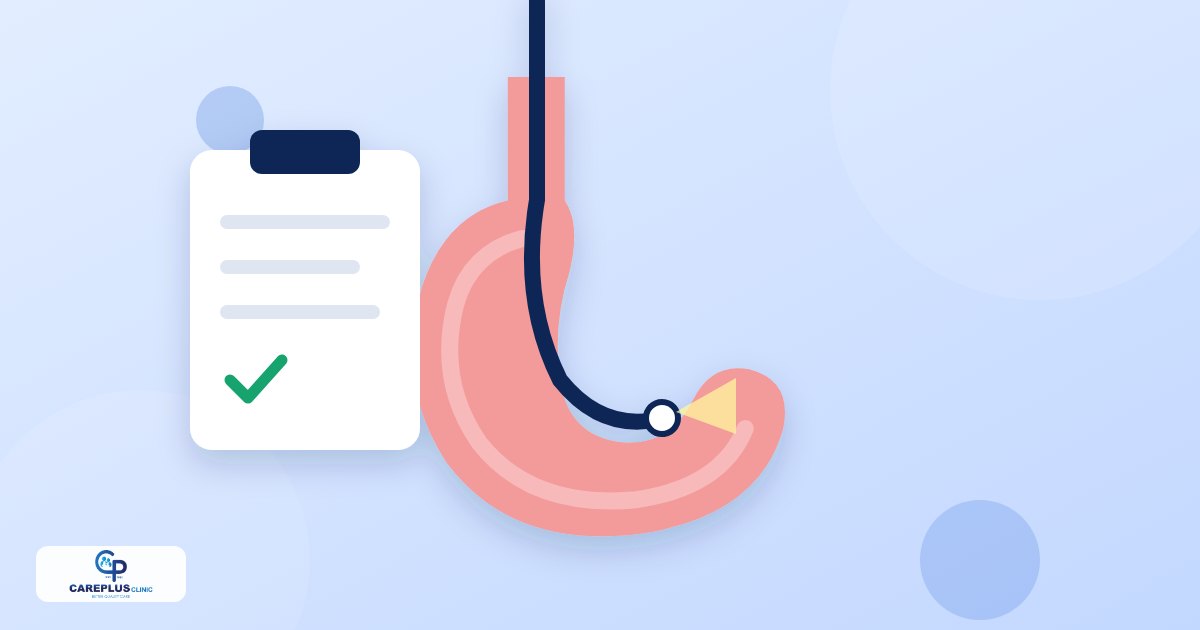
A gastroscopy, also called OGDS or upper endoscopy, uses a thin camera to look at the food pipe (oesophagus), stomach and first part of the small intestine. Afterwards you usually go home with a report and a prescription. This guide explains the common findings and why each medicine is given.
Good to know: if you had sedation, don’t drive or sign important documents for 24 hours. A mild sore throat and bloating from the air used are normal. Biopsy results usually take 1 to 2 weeks.
Common findings and usual treatment
Gastritis or duodenitis
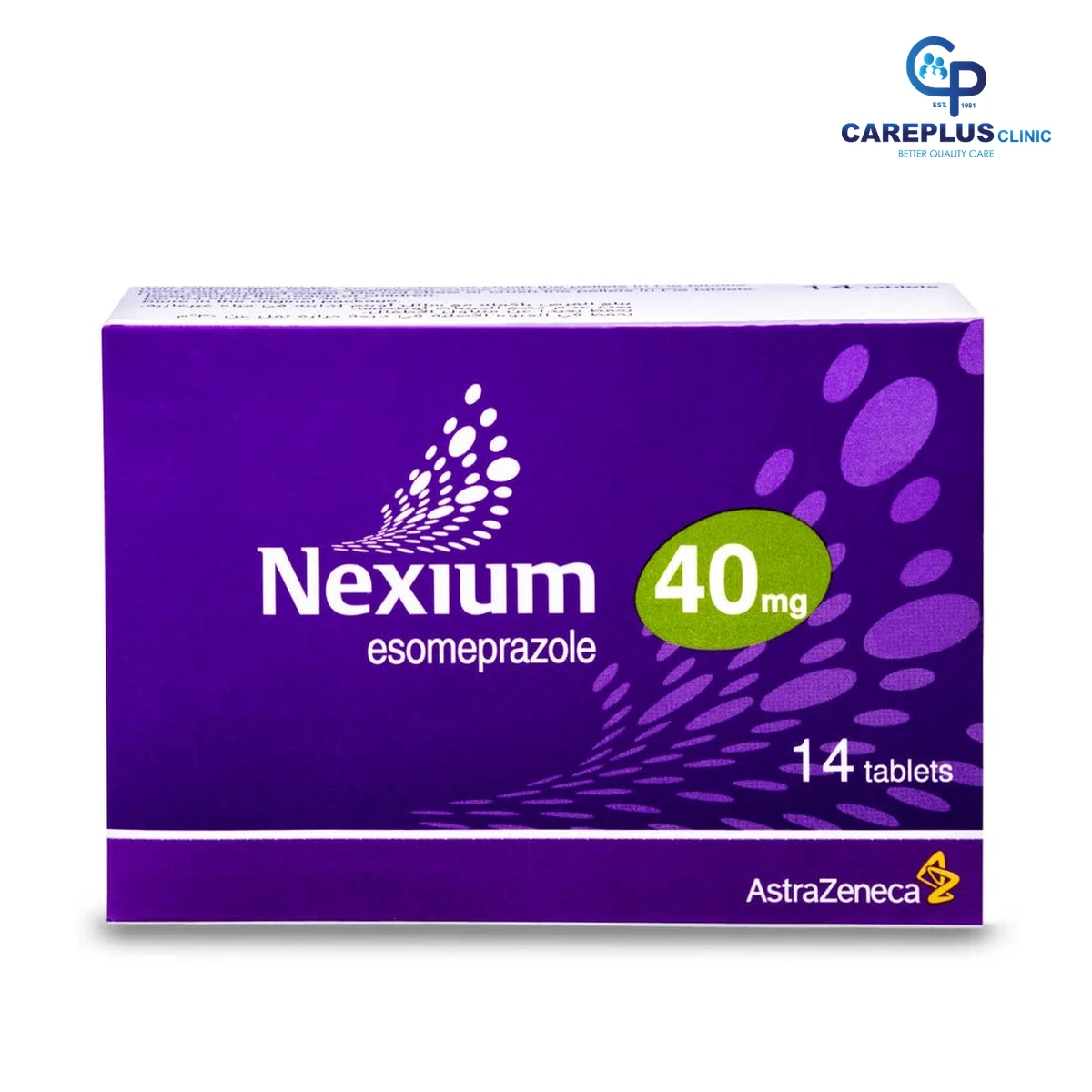
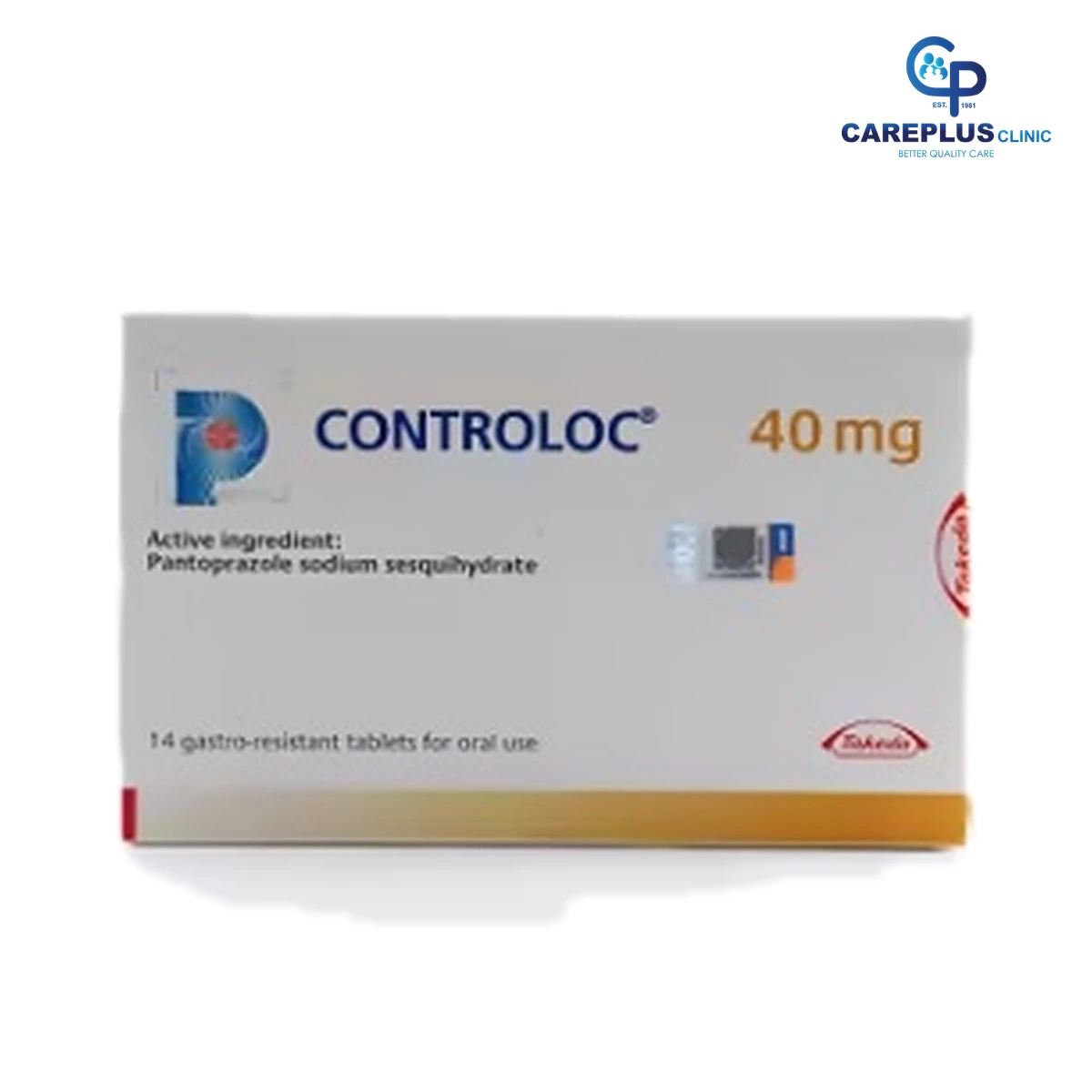
Inflammation of the lining. Often treated with a PPI such as esomeprazole or pantoprazole for 4 to 8 weeks. If a biopsy or CLO test shows H. pylori, it is treated with a course of antibiotics.
Reflux oesophagitis
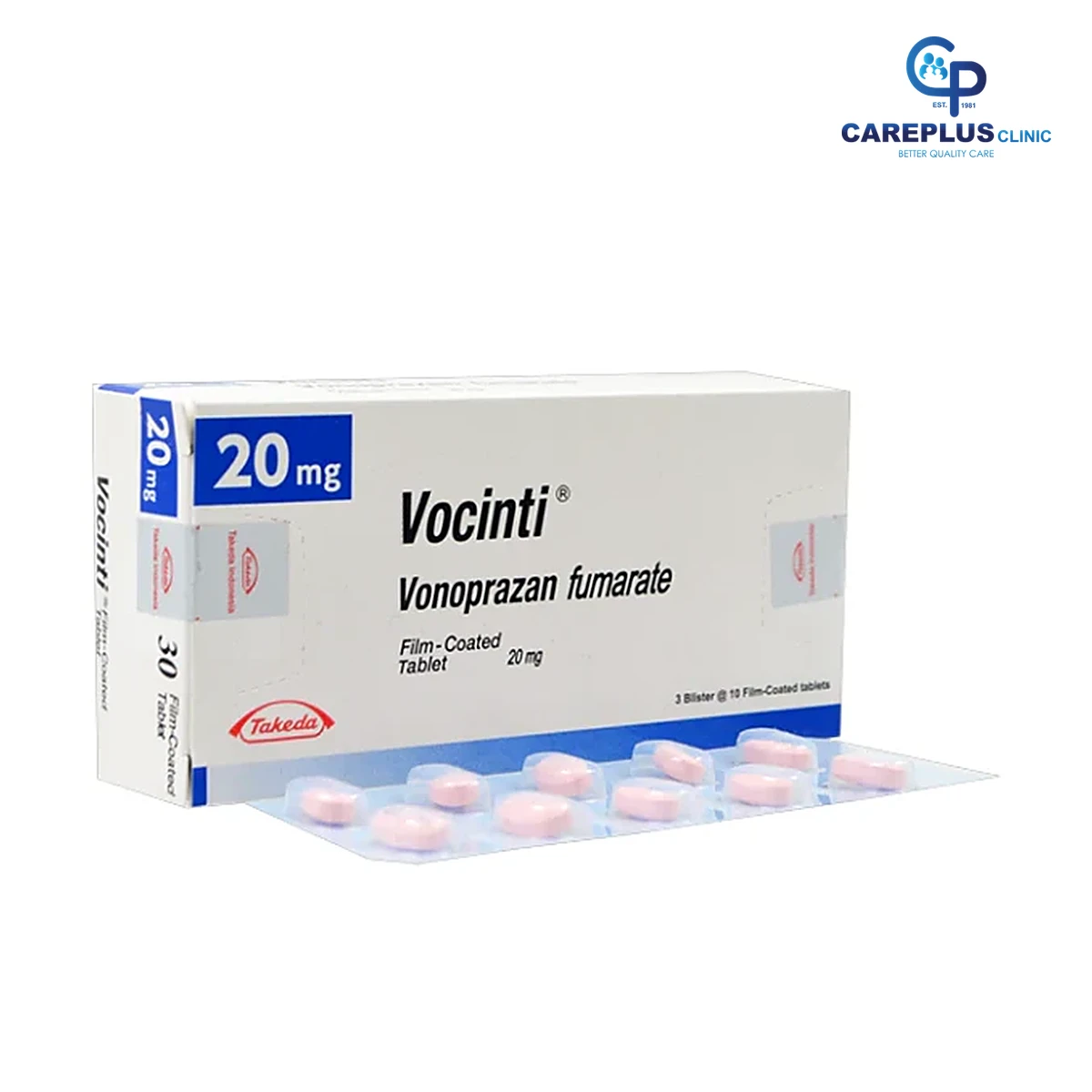
Inflammation of the food pipe caused by acid, graded A (mild) to D (severe). Usually treated with a PPI for 8 weeks. Vonoprazan (Vocinti) is often chosen for more severe grades because it heals the lining faster in studies. Some people then need a lower maintenance dose.
Stomach or duodenal ulcer
Healed with a PPI or vonoprazan for 4 to 8 weeks, plus treating the cause. A stomach ulcer usually needs a repeat scope to confirm healing. See stomach ulcer.
H. pylori positive
A 14-day combination of antibiotics with a PPI or vonoprazan, then a breath or stool test at least 4 weeks later to confirm cure. See H. pylori treatment.
Normal scope, but still symptoms
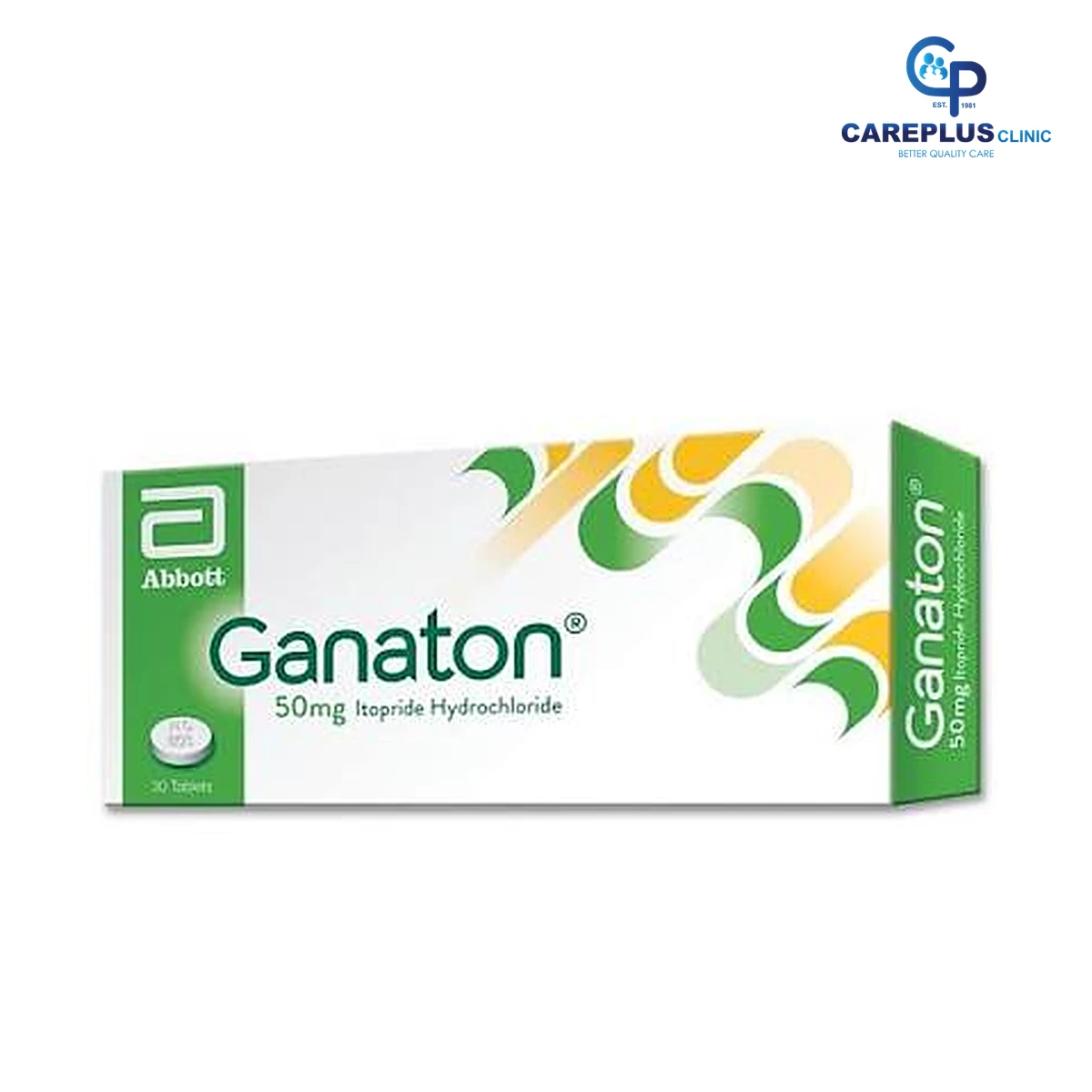
This is common and often called functional dyspepsia. Treatment may include a trial of acid suppression, a prokinetic such as itopride (Ganaton) for bloating and early fullness, simethicone for trapped wind, and changes to meals and stress.
Hiatus hernia, polyps or Barrett’s oesophagus
A hiatus hernia is managed like reflux. Polyps and Barrett’s oesophagus are followed up based on the biopsy, sometimes with repeat scopes.
Reading your prescription
- PPIs (esomeprazole, pantoprazole, rabeprazole, omeprazole): once a day, 30 to 60 minutes before breakfast.
- P-CAB (vonoprazan): once a day, with or without food, or twice a day within an H. pylori course.
- Prokinetic (itopride, domperidone): before meals.
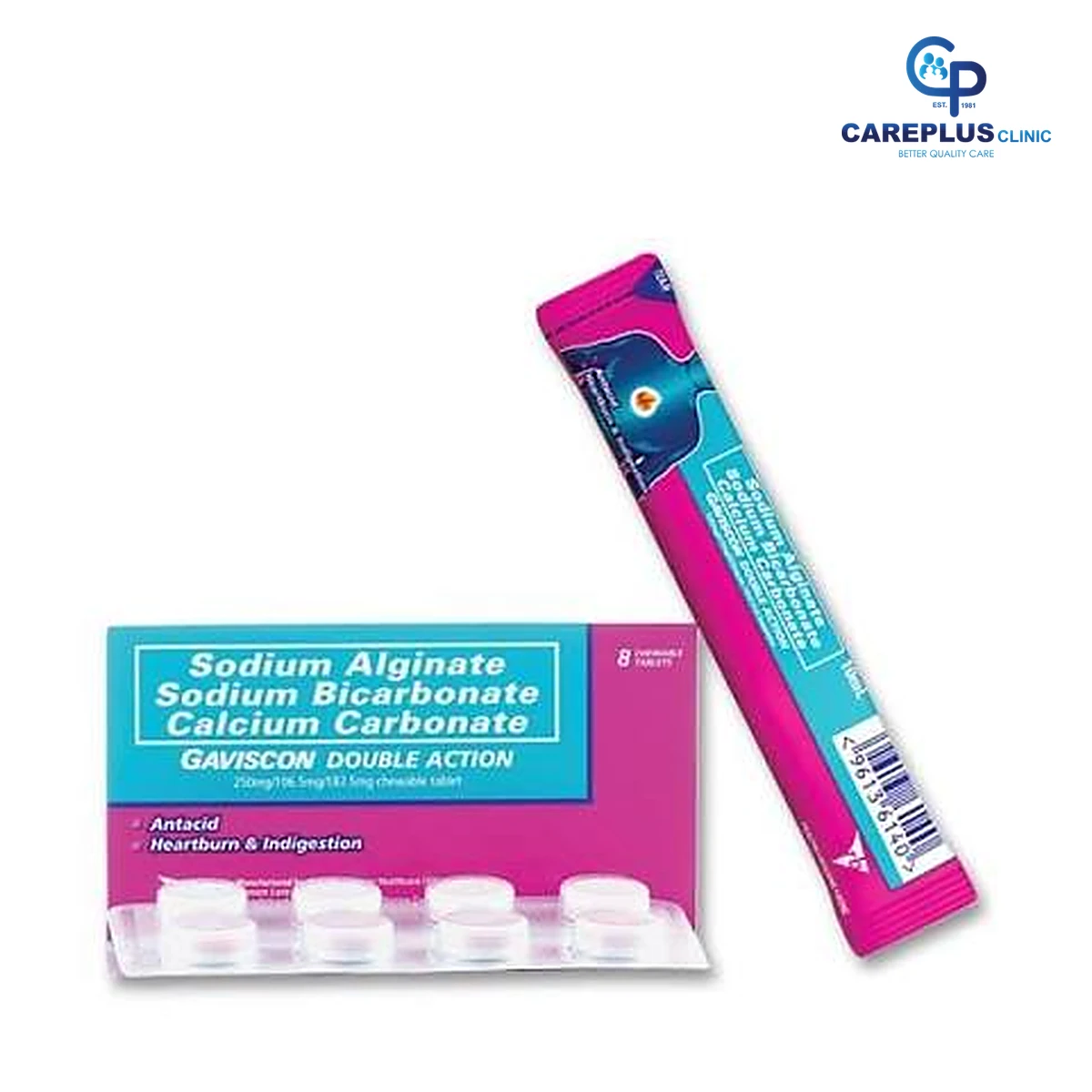
- Alginate or antacid (Gaviscon): after meals and at bedtime, for breakthrough symptoms.
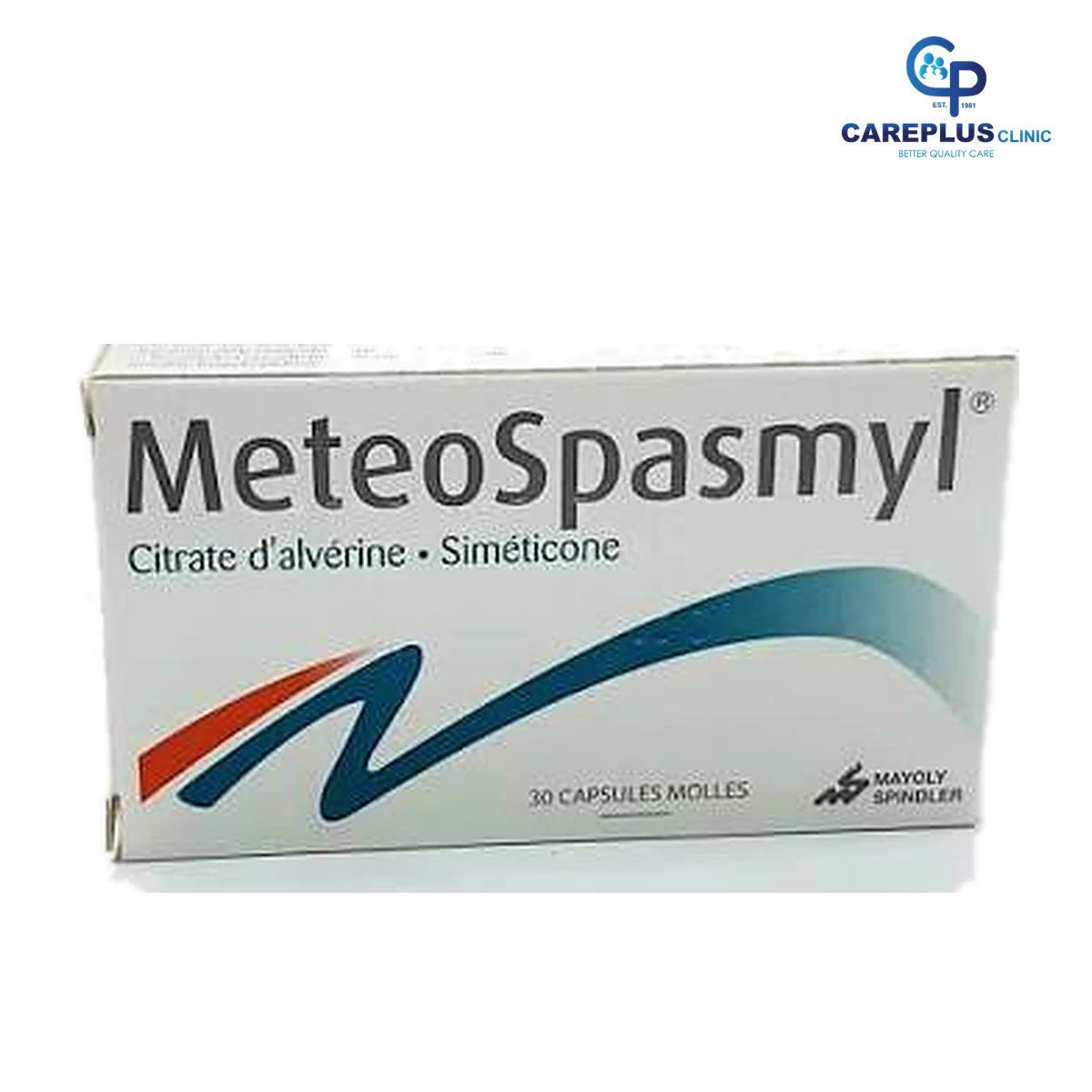
- Antispasmodic with simethicone (alverine and simethicone): for cramps and bloating.
Tips
- Finish the course the doctor set, and go back for the follow-up or repeat test.
- After long-term acid-reducing medicine, don’t stop suddenly. Symptoms can rebound for a few weeks, so ask the doctor how to step down.
- Bring your OGDS report to any follow-up so the doctor can see the findings.
Get help urgently if you have
- vomiting blood or material that looks like coffee grounds
- black, sticky stools
- difficulty or pain when swallowing, or food sticking
- weight loss without trying, or persistent vomiting
- severe or sudden tummy pain, or feeling faint
Questions people ask
How long do I need to take medicine after OGDS?
It depends on the finding: often 4 to 8 weeks for gastritis, reflux or ulcers, and 14 days for H. pylori treatment. Your doctor will say if you need longer.
Why was I given vonoprazan instead of a PPI?
Vonoprazan gives stronger, more consistent acid control from the first dose. Doctors often use it for severe reflux oesophagitis or within H. pylori treatment.
What does a CLO test mean?
It is a quick test on a stomach biopsy for H. pylori. A positive result means the infection is present and should be treated.
Sources
Get it from CarePlus Clinic
 13% OFF℞ Prescription
 15% OFF℞ Prescription
 18% OFF℞ Prescription
 12% OFF℞ Prescription
 15% OFF Review required
 13% OFF