
IBS, Bloating and Constipation: What Helps
Irritable bowel syndrome explained: warning signs to check, diet changes that help, and how antispasmodics, simethicone and laxatives such as macrogol are used.
Irritable bowel syndrome (IBS) causes repeated tummy pain or discomfort linked with bowel habits, along with bloating, diarrhoea, constipation or both. It is very common and not dangerous, but it can affect daily life. Many people improve with a mix of diet changes and simple medicines.
In short: check for warning signs first. Then try regular meals, the right kind of fibre and fewer trigger foods. Antispasmodics help cramps and bloating, and a gentle laxative such as macrogol helps constipation.
Check these warning signs first
See a doctor before assuming IBS if you have:
- blood in your stool or black stools
- weight loss without trying, or low iron (anaemia)
- symptoms that wake you at night, or fever
- a new change in bowel habit after age 50
- a family history of bowel cancer, inflammatory bowel disease or coeliac disease
Types of IBS
- IBS with constipation (IBS-C)
- IBS with diarrhoea (IBS-D)
- Mixed (IBS-M), swinging between the two
The type guides which treatment helps most.
Diet and daily habits
- eat regular meals and don’t skip breakfast
- drink enough water, and limit coffee, alcohol and fizzy drinks
- choose soluble fibre such as oats and psyllium (ispaghula). Insoluble fibre such as bran can make bloating worse.
- a low-FODMAP diet can help many people. It works best with a dietitian’s guidance, and only for a few weeks before foods are slowly reintroduced.
- regular exercise, good sleep and managing stress all calm the gut
- probiotics can be tried for 4 weeks. Stop if there is no change.
Medicines that can help
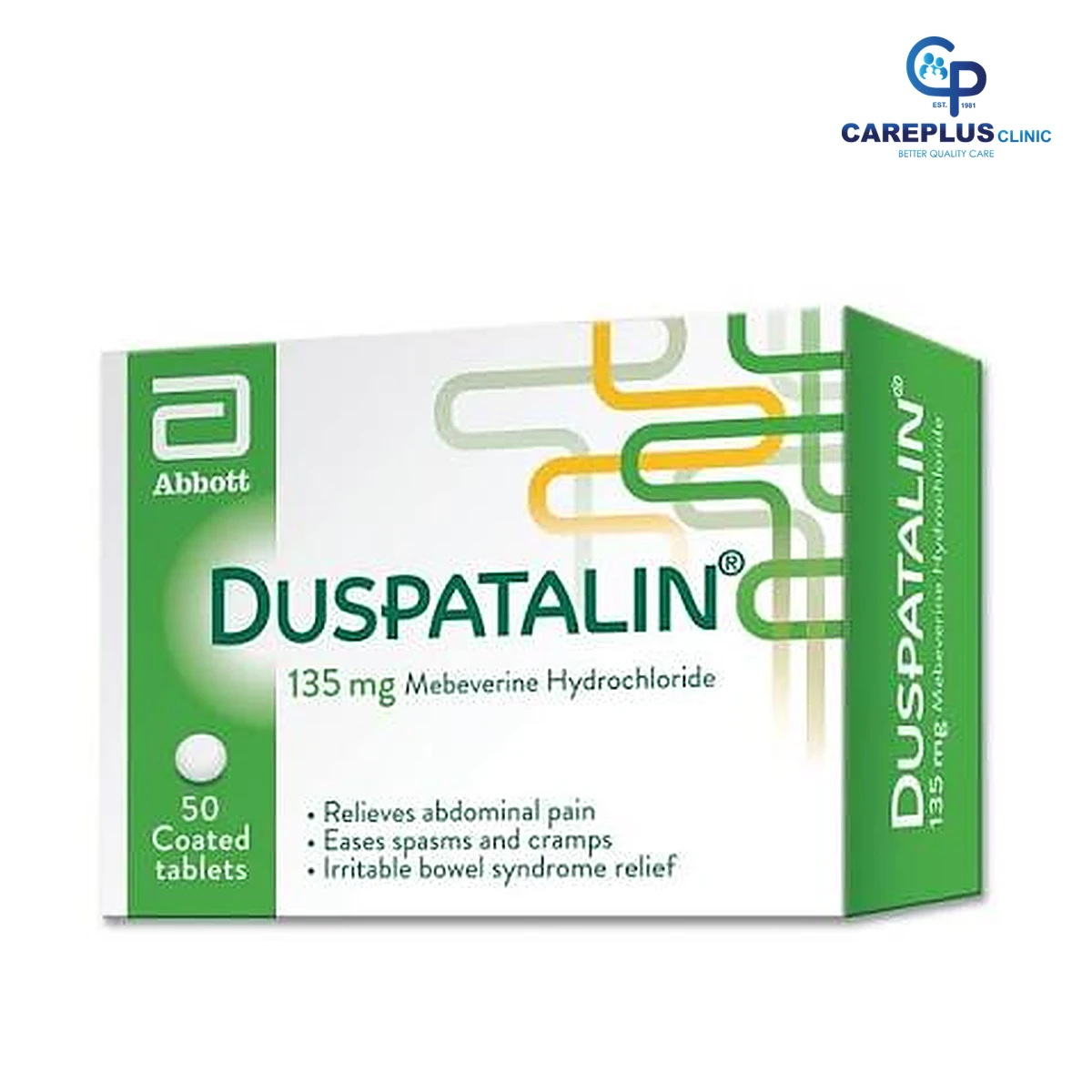
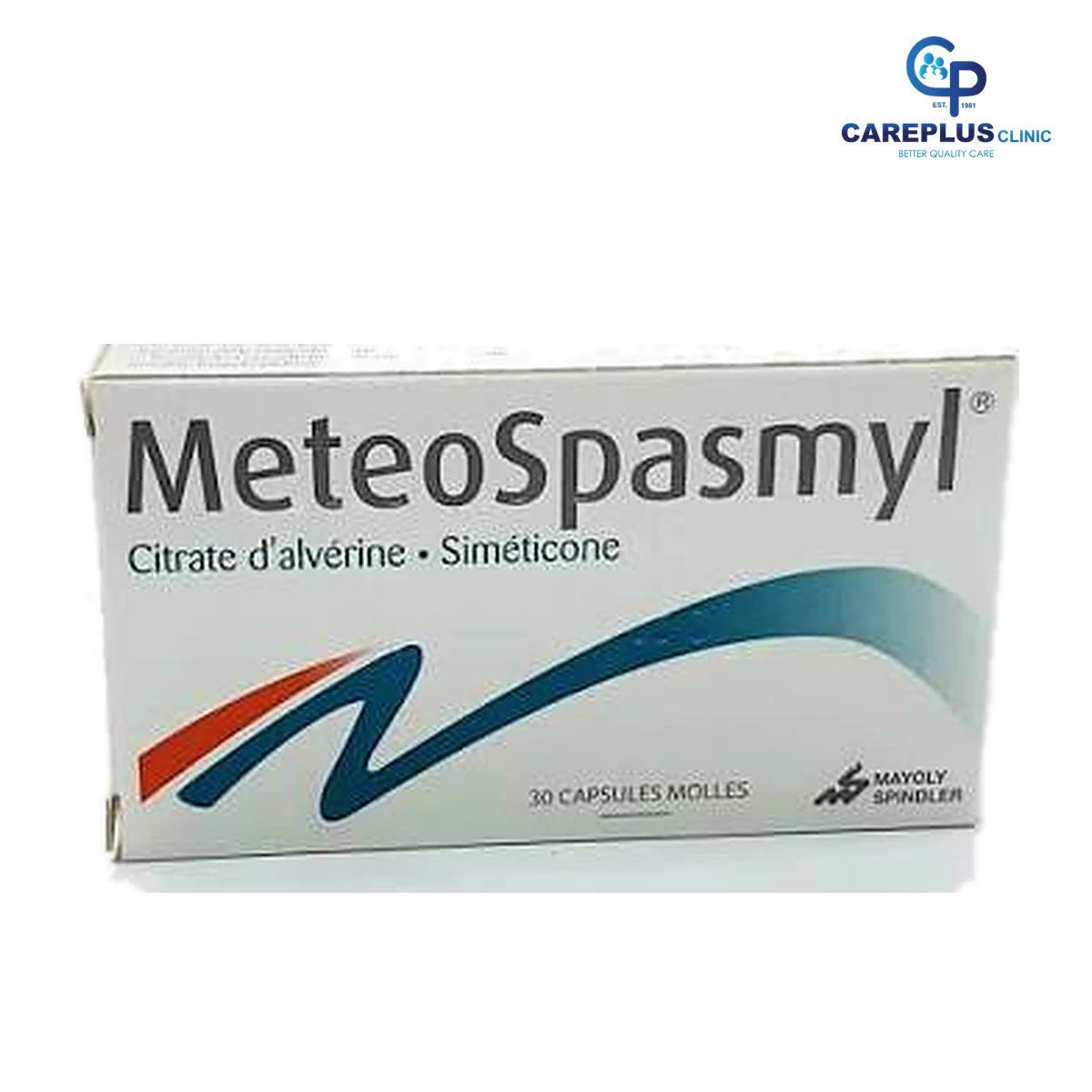
- Antispasmodics relax the gut muscle and ease cramping pain: mebeverine (Duspatalin) or alverine with simethicone (Meteospasmyl), which also breaks up trapped gas.
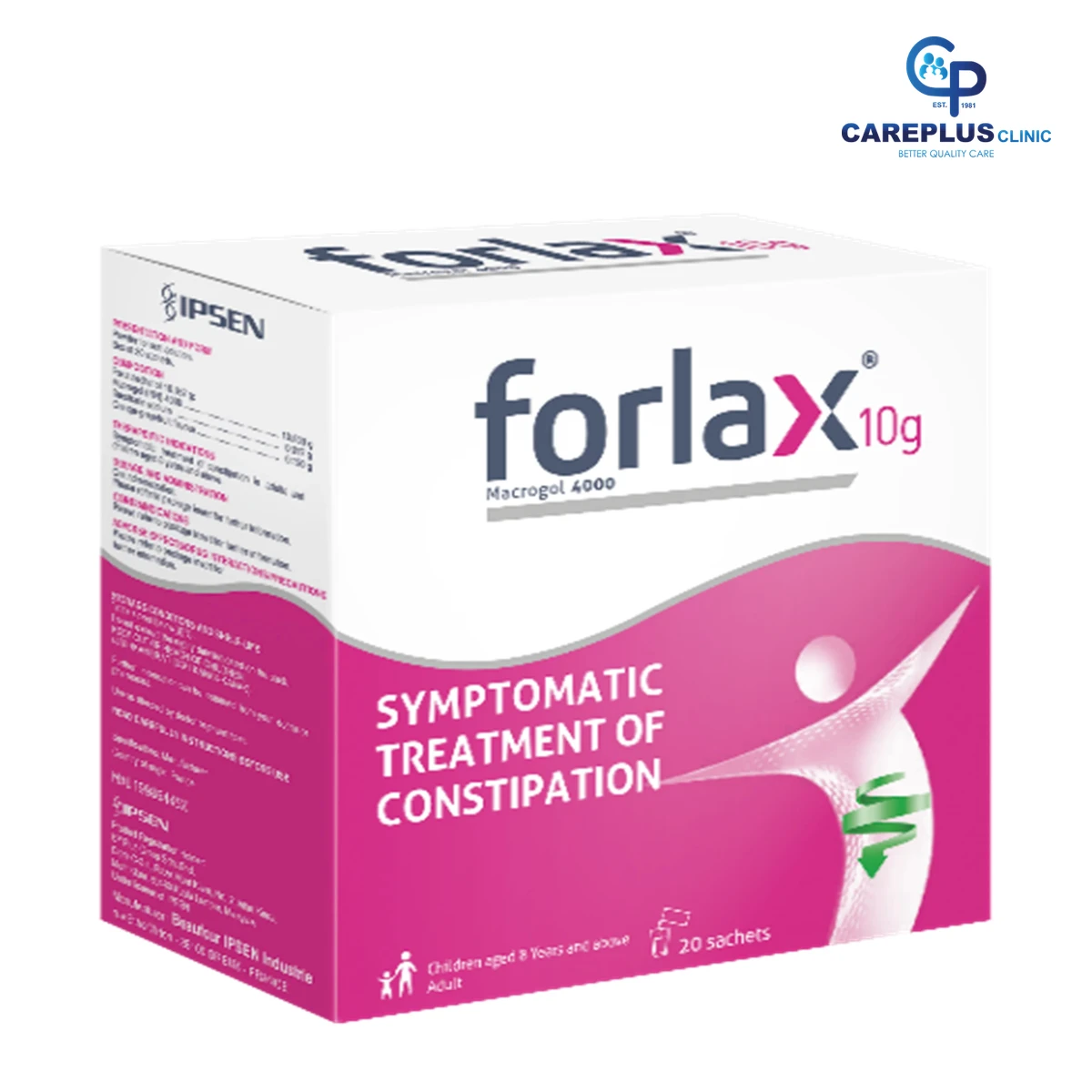
- For constipation: an osmotic laxative such as macrogol (Forlax) softens stools gently. Lactulose is usually avoided in IBS because it can increase bloating.
- For diarrhoea: loperamide for short periods.
- If symptoms continue: doctors sometimes use a low-dose medicine that calms gut nerves, or refer for psychological therapies such as CBT, which work well for IBS.
Constipation without IBS
For ordinary constipation, start with fibre, fluids, activity and a regular toilet routine. Macrogol is a gentle option if that is not enough. See a doctor if constipation lasts more than 2 weeks or comes with any warning sign.
Bloating
Eat slowly, avoid chewing gum and fizzy drinks, and notice gas-producing foods such as beans, onions and cabbage. Simethicone can ease trapped wind. If bloating comes with early fullness after meals, see our guide to gastric medicines.
Questions people ask
Is IBS dangerous?
No. IBS does not damage the bowel or lead to cancer. Warning signs such as bleeding or weight loss need checking because they suggest something else.
How long can I take mebeverine?
It can be used when needed or as a course. If symptoms keep coming back, the doctor may look for triggers or suggest other treatments.
Is Forlax safe to use regularly?
Macrogol is gentle and not absorbed. Use the lowest dose that keeps stools soft, and see a doctor if you need it for more than 2 weeks.
Sources
Get it from CarePlus Clinic
 15% OFF Review required
 15% OFF Review required
 17% OFF