
Acid Reflux and GERD: Lifestyle, Antacids, PPIs and Vonoprazan
Heartburn and acid reflux explained: lifestyle changes that help, when to use antacids, how PPIs and vonoprazan work, and when you need a gastroscopy.
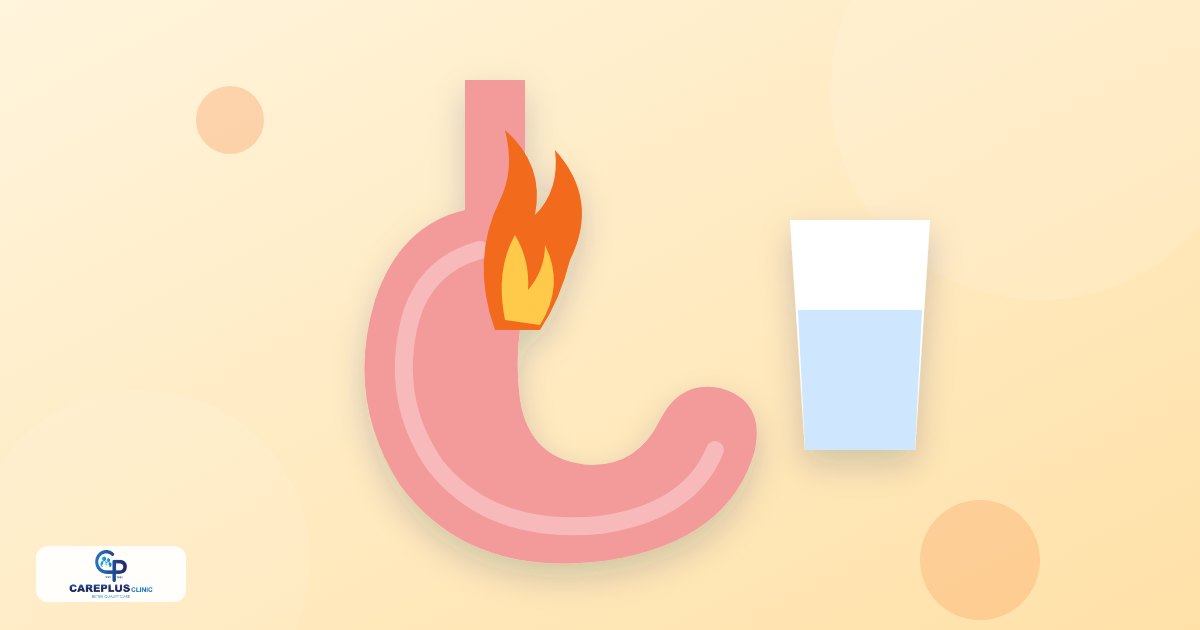
Acid reflux happens when stomach acid flows back up into the food pipe (oesophagus). Occasional heartburn is common. When it happens often or causes damage, it is called gastro-oesophageal reflux disease (GERD or GORD).
In short: start with meal and sleep changes. Use an antacid or alginate for occasional symptoms. Frequent symptoms usually respond to a PPI for 4 to 8 weeks, and severe inflammation may need stronger treatment such as vonoprazan.
Symptoms
- burning behind the breastbone (heartburn), often after meals or lying down
- sour or bitter taste, or food coming back up
- chronic cough, hoarse voice or throat clearing
- upper tummy discomfort or bloating
Chest pain can also come from the heart. Get emergency help for chest pain with breathlessness, sweating, or pain spreading to the arm or jaw.
Step 1: lifestyle changes
- eat smaller meals and finish eating 3 hours before bed
- raise the head of the bed by 10 to 20 cm, or sleep on your left side
- lose weight if you are overweight, especially around the waist
- notice your triggers: common ones are fatty or fried food, chocolate, coffee, alcohol, fizzy drinks and mint
- stop smoking
Step 2: occasional symptoms
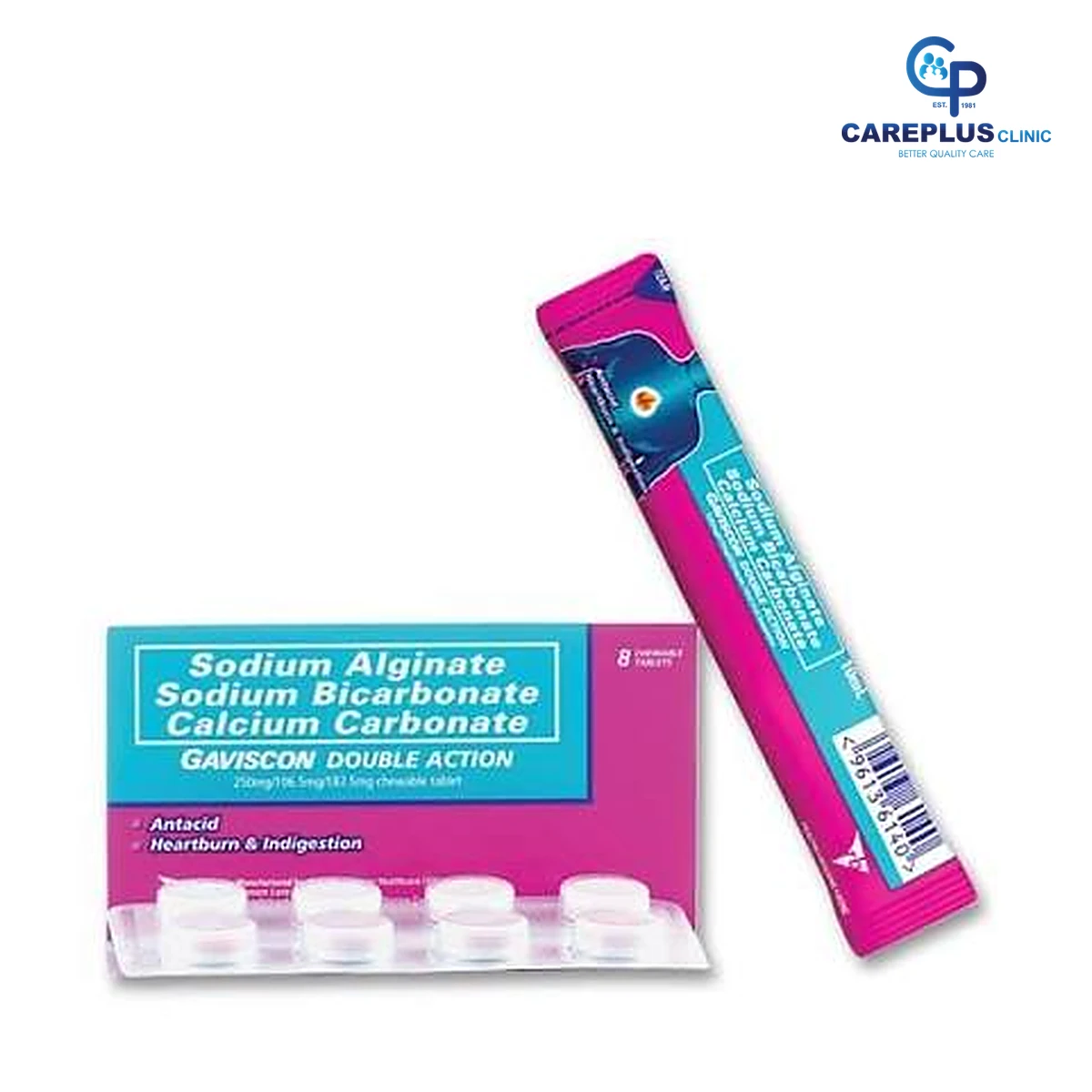
An antacid with alginate, such as Gaviscon Double Action, neutralises acid and forms a layer that helps stop it rising. It works within minutes and is best taken after meals and at bedtime.
Step 3: frequent symptoms
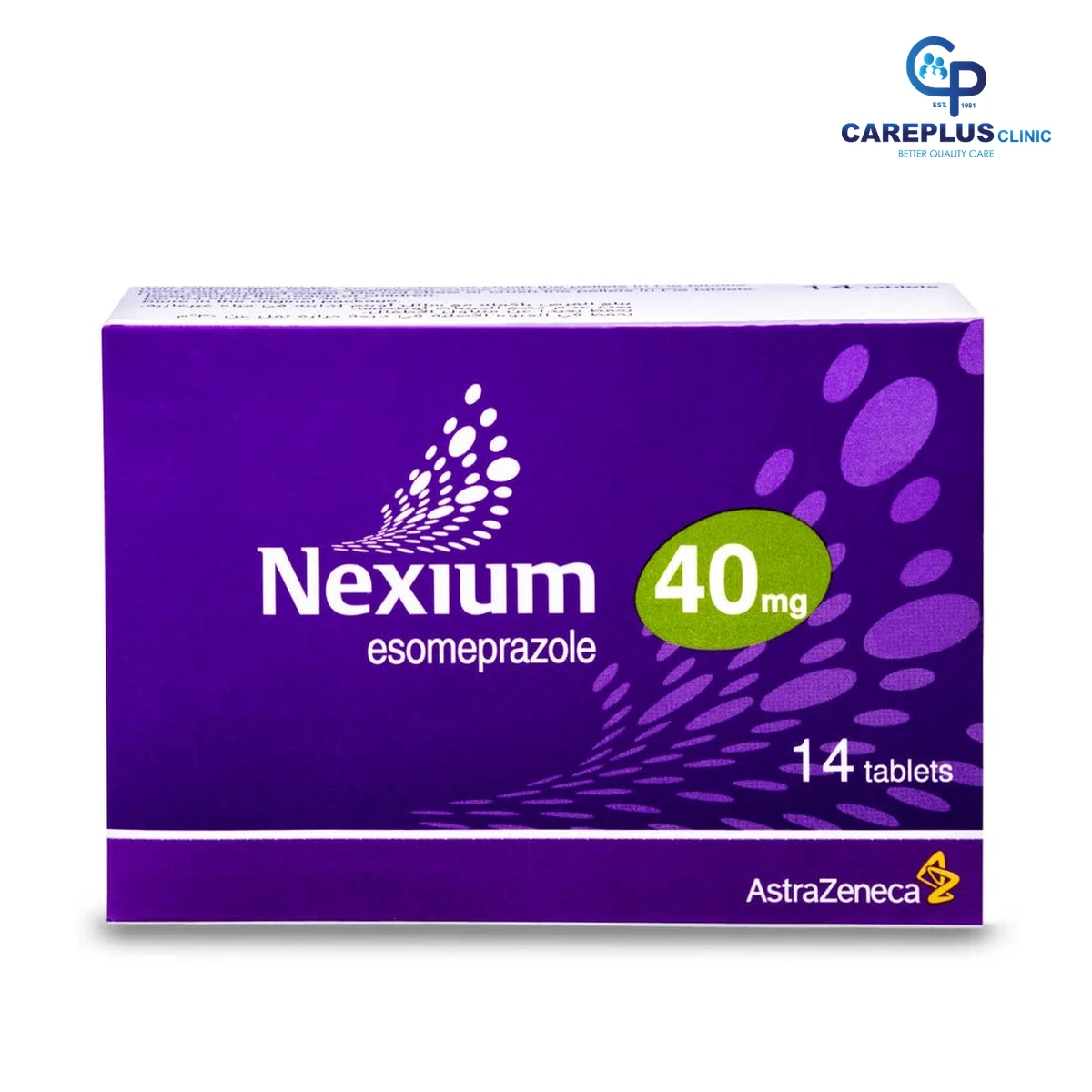
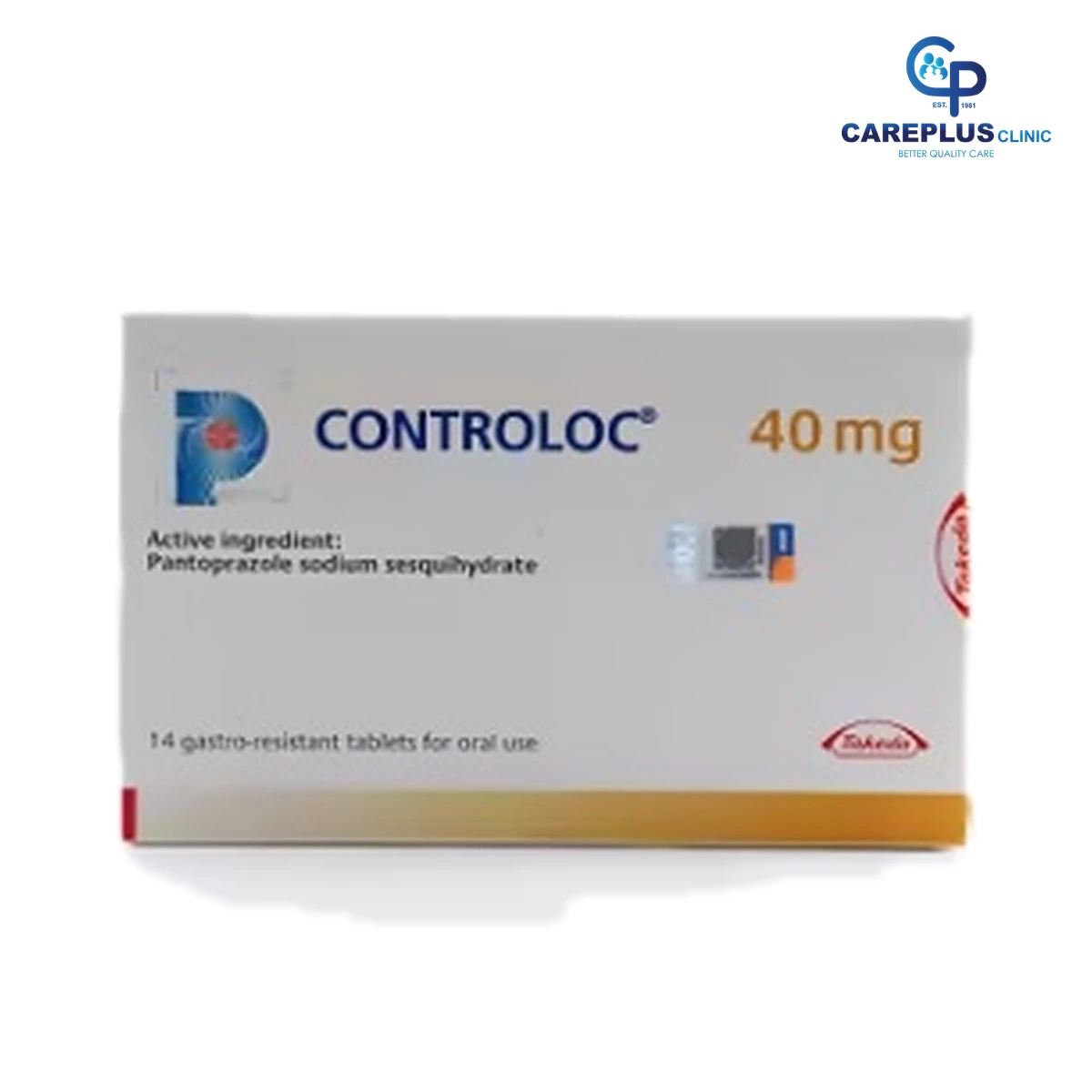
Proton pump inhibitors (PPIs) such as esomeprazole and pantoprazole reduce acid production. Take them once a day, 30 to 60 minutes before breakfast, for 4 to 8 weeks. Taking them at the wrong time is a common reason they seem not to work.
Where vonoprazan fits
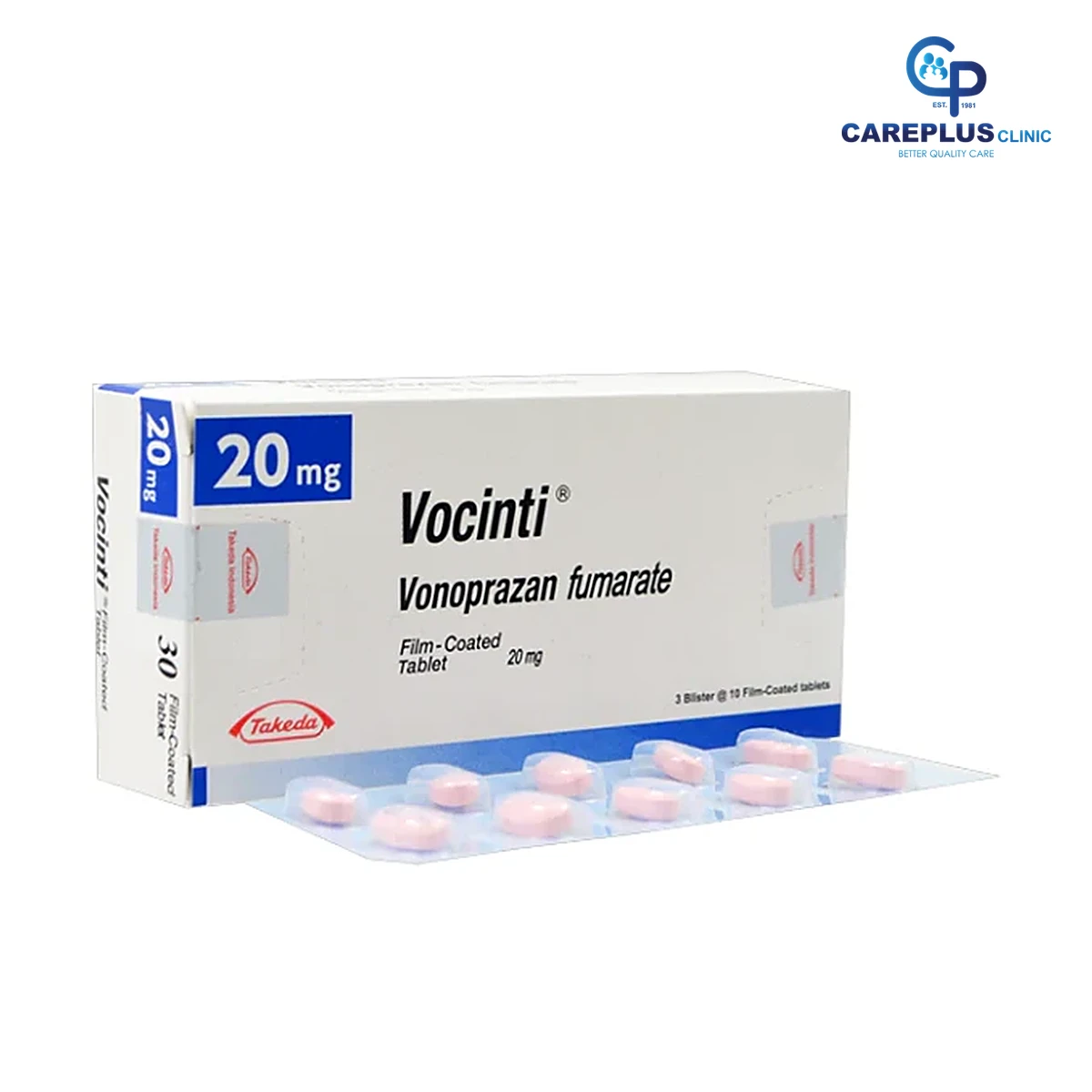
Vonoprazan (Vocinti) is a potassium-competitive acid blocker (P-CAB). It works from the first dose, can be taken with or without food, and controls acid more consistently, including at night. In trials it healed severe erosive oesophagitis (grades C and D) more often than lansoprazole. Doctors may use it when reflux damage is severe or when a PPI taken correctly hasn’t helped enough.
When you need a gastroscopy
- any of the warning signs below
- new reflux or indigestion at age 45 or older
- symptoms that don’t settle after 8 weeks of treatment, or keep coming back
Long-term use
Once symptoms are controlled, doctors usually step down to the lowest dose that works, or to taking it only when needed. Long-term PPI use is generally safe when there is a clear reason, but should be reviewed regularly.
Get help urgently if you have
- vomiting blood or material that looks like coffee grounds
- black, sticky stools
- difficulty or pain when swallowing, or food sticking
- weight loss without trying, or persistent vomiting
- severe or sudden tummy pain, or feeling faint
Questions people ask
Is it safe to take a PPI long term?
For most people with a clear reason, yes. Long-term use is linked with low magnesium or vitamin B12 and a small rise in fracture and gut infection risk, so your doctor will aim for the lowest effective dose.
Can reflux cause a cough?
Yes. Acid reaching the throat can cause a chronic cough, hoarseness or throat clearing, even without heartburn.
Should I take Gaviscon with my PPI?
It can be used for breakthrough heartburn. Keep it about 2 hours apart from other tablets.
Sources
Get it from CarePlus Clinic
 13% OFF
 15% OFF℞ Prescription
 18% OFF℞ Prescription
 13% OFF℞ Prescription