
Hair loss treatment in Malaysia: minoxidil, finasteride and biotin explained
What causes thinning hair in men and women, how minoxidil tablets, finasteride and biotin compare, how long they take to work, side effects, and when to see a doctor.
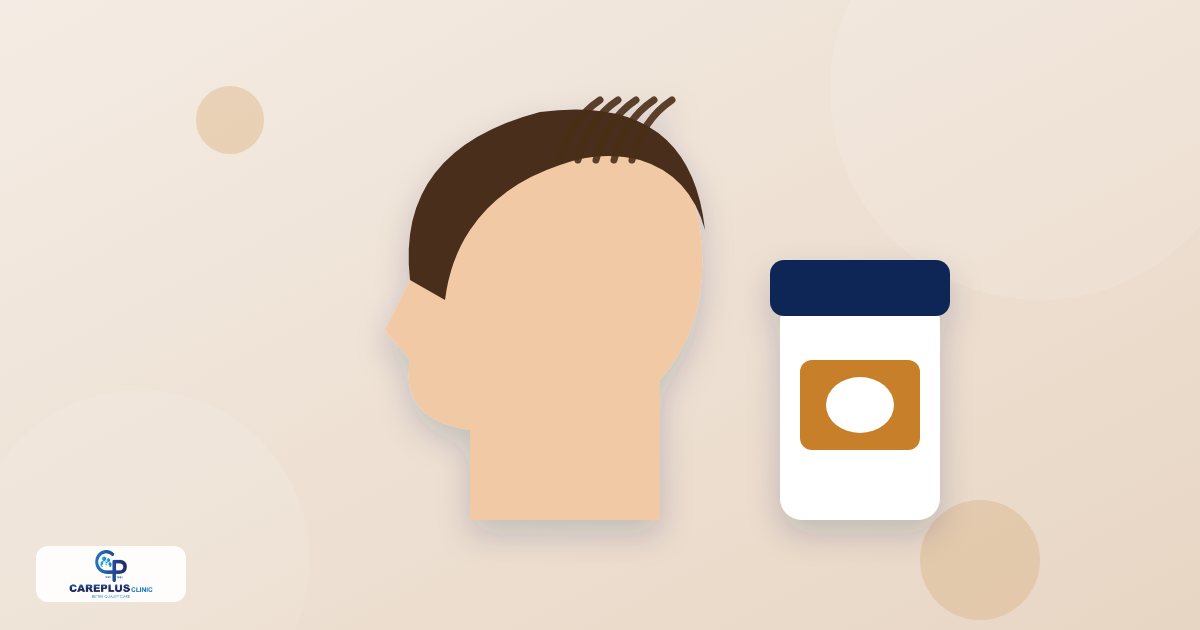
Thinning hair is common in both men and women, and the good news is that the most common type, pattern hair loss, can usually be slowed and often partly reversed. The key is choosing a treatment that targets the cause, and giving it enough time.
In short: minoxidil helps hair grow in men and women. Finasteride slows male-pattern hair loss in men (not for women). Biotin and other vitamins mainly help if you are low in them. All of them take 3 to 6 months to show results, and the benefit fades if you stop.
What causes thinning hair?
- Male-pattern hair loss (androgenetic alopecia): a receding hairline and thinning crown. It runs in families and is driven by DHT, a hormone made from testosterone, which gradually shrinks hair follicles.
- Female-pattern hair loss: general thinning on the top of the head, with the front hairline usually kept. More common after menopause.
- Telogen effluvium: sudden heavy shedding 2 to 3 months after a trigger such as illness (including fever or COVID-19), childbirth, crash dieting or major stress. It usually recovers on its own.
- Other causes: iron deficiency, thyroid problems, polycystic ovary syndrome (PCOS), some medicines, and patchy conditions such as alopecia areata.
Sudden, patchy or very fast hair loss needs a doctor’s check before starting any treatment.
Minoxidil: helps hair grow
Minoxidil widens blood vessels and keeps hair follicles in their growing phase longer, producing thicker hairs. It comes as a lotion or foam you rub on the scalp, or as low-dose tablets. Low-dose oral minoxidil has become popular with dermatologists because it is easier to take every day than a lotion. It is used at much lower doses than when minoxidil is used for high blood pressure.
Side effects of low-dose tablets are usually mild. The most common is extra hair growth on the face or body (around 15% in the largest study). Less often: dizziness or light-headedness in the first week, a faster heartbeat in the first few days, and ankle swelling after 1 to 3 months. It is not suitable for people with heart failure, a recent heart attack, severe heart valve disease, fluid around the heart, phaeochromocytoma or advanced kidney disease, and is used with caution in people with low blood pressure or arrhythmia. Tell the doctor if you take blood pressure medicine.
Do not take minoxidil tablets if you are pregnant, planning a pregnancy or breastfeeding, and use reliable contraception while taking them. Get medical help urgently for chest pain, breathlessness, fainting, or rapid weight gain or swelling.
Expect extra shedding in the first few weeks: old hairs are pushed out to make way for new ones. It usually settles within 2 months.
Finasteride: slows male-pattern hair loss
Finasteride 1 mg lowers DHT, the hormone that shrinks hair follicles in men. It is one of the most effective treatments for slowing male-pattern hair loss, and many men also regrow some hair. You notice an effect after about 4 months, with the full result after 1 to 2 years. Hair loss resumes if you stop.
Side effects are uncommon: lower sex drive (about 2 in 100 men), erection problems or less semen, and occasionally breast tenderness. In rare cases, sexual side effects have continued after stopping. Stop finasteride and speak to a doctor straight away if you notice low mood, depression or thoughts of self-harm, and report any breast lump, pain or nipple discharge. Finasteride also lowers the PSA blood test used to check the prostate, so tell your doctor you take it.
Finasteride is only for men aged 18 and over, never for women. It can harm a male baby, so women who are or may become pregnant must not take it, and should not handle crushed or broken tablets.
Biotin and vitamins: what they can and can’t do
Biotin, B vitamins and zinc are needed for healthy hair, and correcting a deficiency can reduce shedding. But in people who aren’t deficient, vitamins don’t treat pattern hair loss on their own: the minoxidil (and, for men, finasteride) do the main work.
One important tip: high-dose biotin can interfere with some blood tests, including thyroid and heart (troponin) tests. Tell the doctor or lab you take it before a blood test.
Combining treatments
Because minoxidil and finasteride work in different ways, many men use both. Our CAREPLUS hair growth tablets combine low-dose minoxidil 1 mg with biotin, B vitamins, zinc and other nutrients, and the men’s formula adds finasteride 1 mg, in one tablet a day. Because they contain prescription medicines, our doctor checks every order first.
How long until it works?
- Weeks 2 to 8: possible extra shedding, which is common and usually temporary
- Month 3 to 4: shedding slows, fine new hairs appear
- Month 6 to 12: thicker, fuller hair, with the best results after a year or more
Take photos in the same light every month. Changes are slow and easy to miss day to day.
When to see a doctor
- sudden, patchy or very fast hair loss
- hair loss with other symptoms such as tiredness, weight change or irregular periods
- scalp pain, redness, scaling or scarring
- no improvement after 6 months of treatment
An itchy, flaky scalp is a separate problem. See dandruff and seborrhoeic dermatitis.
8. Questions people ask
Does oral minoxidil work for hair loss?
Yes. Low-dose oral minoxidil helps hair grow in both men and women with pattern hair loss. It takes 3 to 6 months to see results, and the benefit fades if you stop.
Can women take finasteride?
No. Finasteride is only for men aged 18 and over. It can harm a male baby, so women who are or may become pregnant must not take it or handle crushed or broken tablets. Women can use the formula without finasteride.
Does biotin regrow hair?
Only if hair loss is caused by low biotin, which is uncommon. For pattern hair loss, medicines such as minoxidil (and finasteride for men) do the main work.
Why is my hair falling out more after starting minoxidil?
Extra shedding in the first few weeks is common: old hairs are pushed out as new ones start growing. It usually settles within 2 months. Contact our doctor if it doesn’t.
Sources
- Adverse events of low-dose oral minoxidil for alopecia: a narrative review (2025)
- Low-dose oral minoxidil for non-scarring alopecia: a systematic review
- Patient.info: Male pattern baldness
- Guidelines on the use of finasteride in androgenetic alopecia
- Harvard T.H. Chan School of Public Health: Biotin (vitamin B7)
Get it from CarePlus Clinic
More health guides
- Hair loss pills in Malaysia: oral minoxidil and finasteride, how they work and what to expect
- Melatonin in Malaysia: is it legal, where to buy it, and how to take 5 mg safely
- Melatonin for better sleep: does it work, when to take it, and who it helps most
- Mounjaro (tirzepatide) in Malaysia: how it works, doses, results, side effects and getting it safely