Dandruff, dry scalp or seborrhoeic dermatitis? How to tell them apart and treat them
Flaky, itchy scalp? How to tell dandruff, dry scalp and seborrhoeic dermatitis apart, what causes each one, and which treatments work.
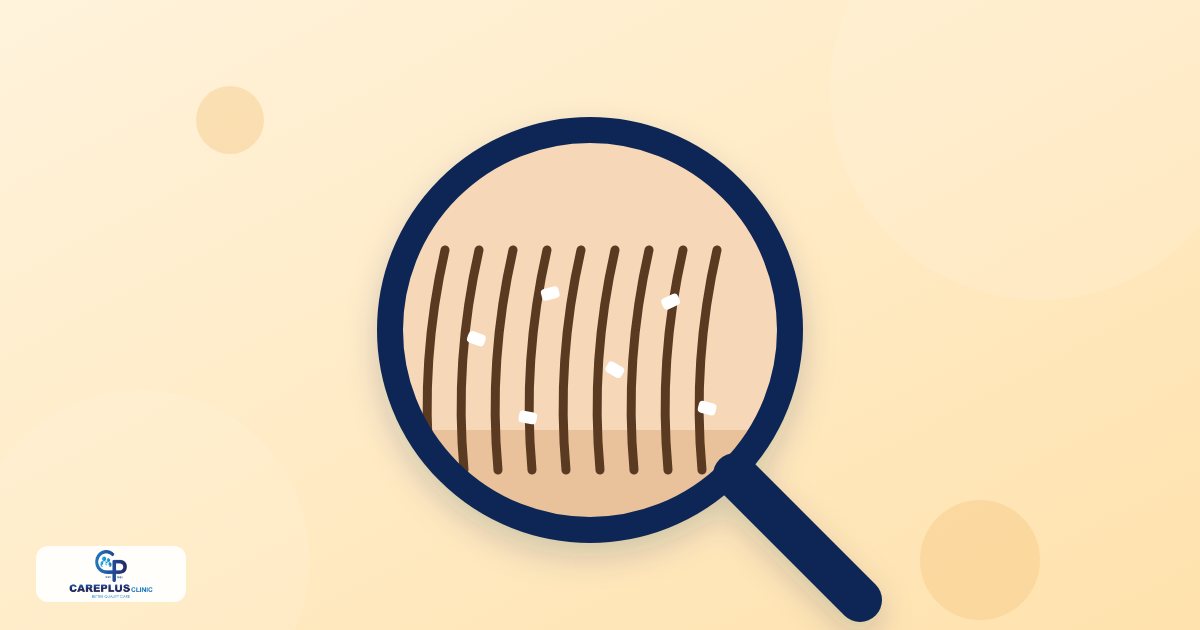
An itchy, flaky scalp is very common, but the cause isn’t always the same. Treating a dry scalp like dandruff (or the other way round) is the main reason flakes don’t go away.
Quick guide: small, dry, white flakes and tight skin point to a dry scalp. Larger, oily, yellowish flakes point to dandruff. Redness and greasy scale that spreads to the eyebrows, sides of the nose or behind the ears point to seborrhoeic dermatitis.
Dandruff
Dandruff is a mild, non-inflamed form of the same process as seborrhoeic dermatitis. The skin overreacts to Malassezia, a yeast that lives on everyone’s scalp, and sheds faster than normal. Flakes are often larger and slightly oily, the scalp can itch, and it tends to be worse when you are stressed or sweaty.
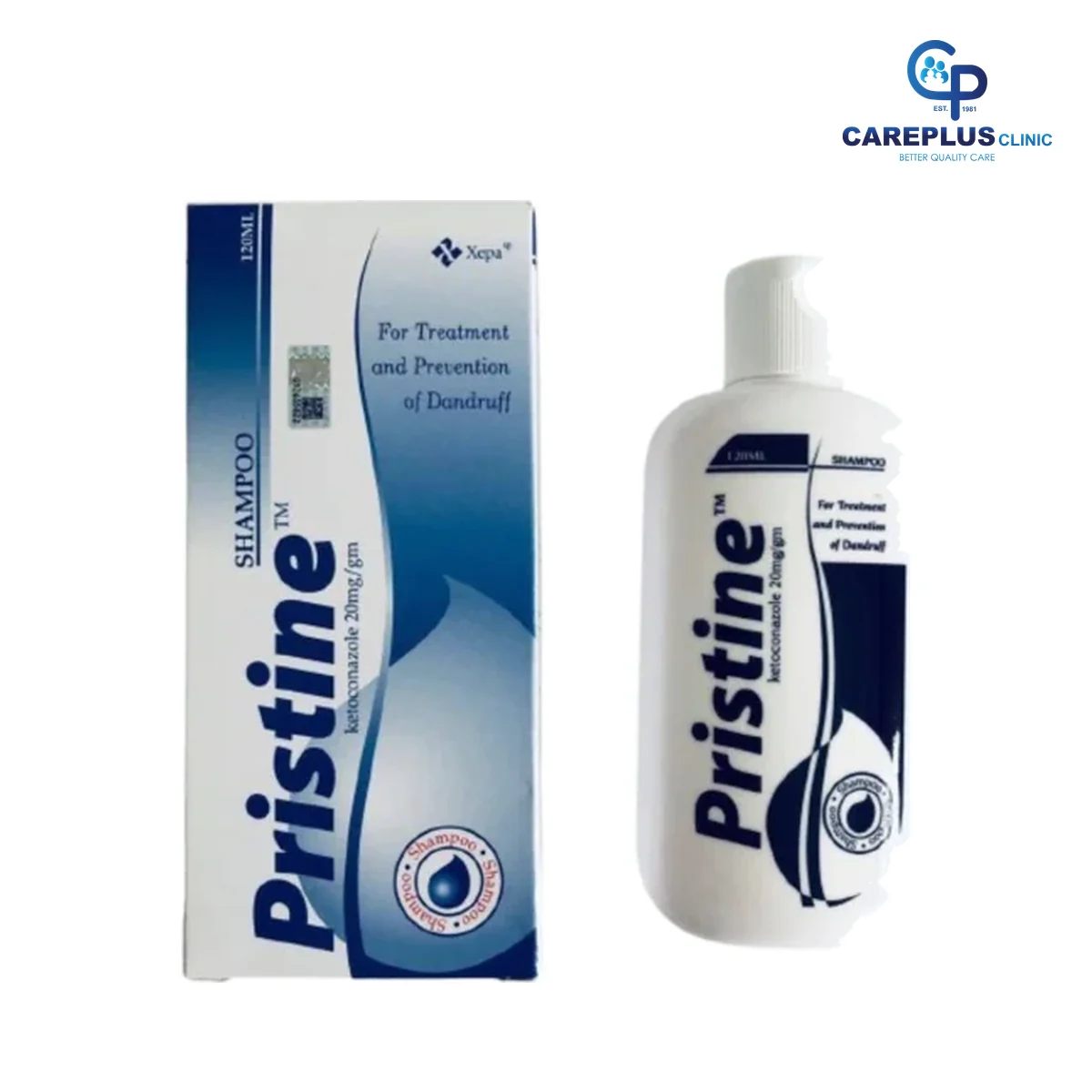
What helps: antifungal shampoos, such as ketoconazole 2% (Pristine), zinc pyrithione or selenium sulfide.
Dry scalp
A dry scalp is simply dry skin. Flakes are small and white, the skin feels tight, and you may have dry skin elsewhere too. It is often caused by washing too often with harsh shampoo, very hot water, or air-conditioning.
What helps: a gentle, fragrance-free shampoo, lukewarm water, and washing a little less often. Antifungal shampoos won’t help much and can make dryness worse.
Seborrhoeic dermatitis
Seborrhoeic dermatitis is the inflamed form: red or pink skin with greasy, yellowish scale and itching. Besides the scalp it often affects the eyebrows, the folds beside the nose, behind the ears, the beard area and the centre of the chest. It is most common in adults aged 30 to 70, comes and goes, and often flares with stress. It is more common and can be more severe in people with HIV or Parkinson’s disease.
What helps: ketoconazole 2% shampoo at least twice a week until it settles, then once every 1 to 2 weeks to keep it under control. For the face, a doctor may prescribe a ketoconazole cream, and a short course of a mild steroid if it is very itchy or inflamed.
Other causes to rule out
- Scalp psoriasis: thick, well-defined, silvery plaques, often spreading past the hairline.
- Contact dermatitis: an itchy rash after a new hair dye or product.
- Tinea capitis (scalp ringworm): patches of scaling with broken hairs or hair loss, especially in children. This needs tablets from a doctor.
Everyday tips
- Wash after sweating, and don’t leave your hair damp under a helmet, cap or tudung for long.
- Rinse shampoo and conditioner out thoroughly.
- Limit heavy oils and styling products on the scalp.
- Manage stress and sleep, which often trigger flares.
When to see a doctor
See a doctor if flakes don’t improve after 4 weeks of a medicated shampoo, if the rash spreads to your face or body, or if you notice hair loss, pain or oozing. Read how to use ketoconazole shampoo to get the most out of treatment.
7. Questions people ask
How do I know if it’s dandruff or a dry scalp?
Dry scalp gives small, white, dry flakes and tight skin, often with dry skin elsewhere. Dandruff flakes are usually larger and slightly oily, and the scalp can itch. Antifungal shampoos help dandruff but not a dry scalp.
Is seborrhoeic dermatitis contagious?
No. It is the skin overreacting to a yeast that lives on everyone’s skin, not an infection you catch from someone else.
Can seborrhoeic dermatitis be cured?
It tends to come and go, but it can be kept well under control with an antifungal shampoo such as ketoconazole 2% used regularly, plus short courses of other treatment from a doctor when it flares.
Sources
Get it from CarePlus Clinic
More health guides
- Where to buy Pristine (Pristin) ketoconazole shampoo in Malaysia, and how to use it
- How to use ketoconazole 2% shampoo for dandruff (Pristine shampoo guide)
- Melatonin in Malaysia: is it legal, where to buy it, and how to take 5 mg safely
- Melatonin for better sleep: does it work, when to take it, and who it helps most