
Stomach Ulcer (Peptic Ulcer): Causes, Symptoms and Treatment
What causes stomach and duodenal ulcers, the symptoms and danger signs, and how ulcers are healed with acid-reducing medicine, H. pylori treatment and safer painkillers.
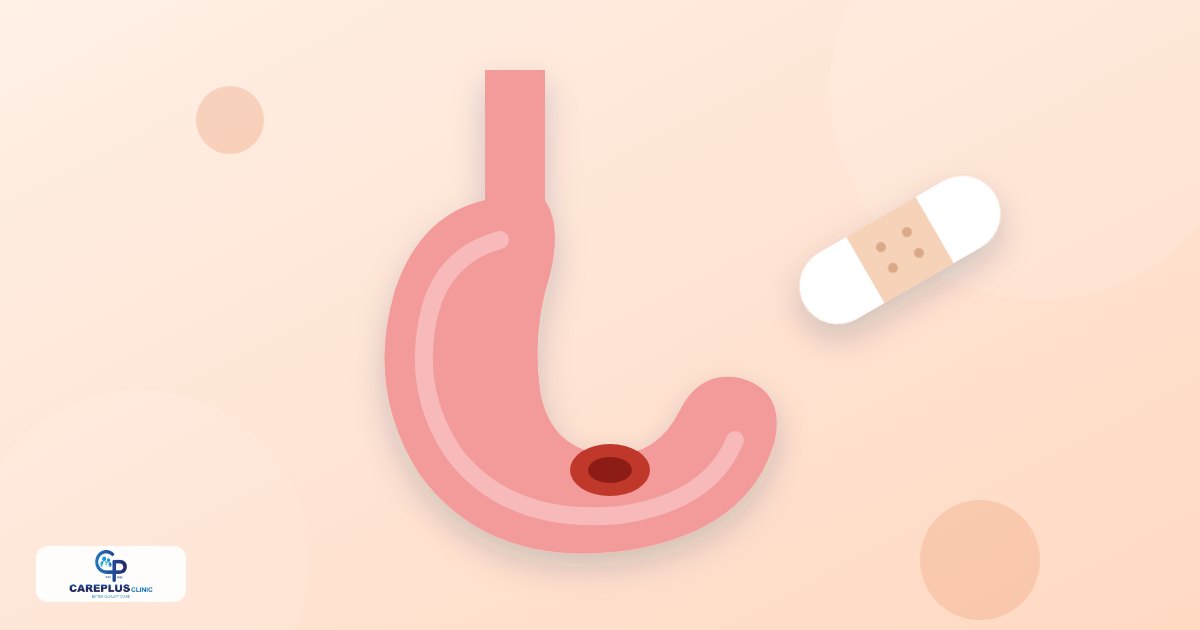
A peptic ulcer is an open sore in the lining of the stomach (gastric ulcer) or the first part of the small intestine (duodenal ulcer). Most ulcers heal well with treatment, and finding the cause stops them coming back.
In short: the two main causes are H. pylori infection and anti-inflammatory painkillers. Ulcers are healed with acid-reducing medicine for 4 to 8 weeks, plus treatment of the cause.
What causes ulcers?
- H. pylori: a stomach infection that weakens the protective lining.
- Anti-inflammatory painkillers (NSAIDs): such as ibuprofen, diclofenac, naproxen, mefenamic acid, etoricoxib in some people, and aspirin, including low-dose aspirin for the heart.
- Things that make it worse: smoking, heavy alcohol, and taking NSAIDs with steroids or blood thinners.
Stress and spicy food don’t cause ulcers, but they can make symptoms feel worse.
Symptoms
The most common symptom is a burning or gnawing pain in the upper tummy. It may come and go with meals or wake you at night. Some people have bloating, nausea or feel full quickly. Ulcers caused by painkillers may have no symptoms until they bleed.
Get help urgently if you have
- vomiting blood or material that looks like coffee grounds
- black, sticky stools
- difficulty or pain when swallowing, or food sticking
- weight loss without trying, or persistent vomiting
- severe or sudden tummy pain, or feeling faint
How it is diagnosed
A gastroscopy (OGDS) shows the ulcer directly, and a biopsy can test for H. pylori. If a scope is not needed straight away, a breath or stool test checks for H. pylori. A stomach ulcer is often checked again with a repeat scope after treatment to make sure it has fully healed.
Treatment
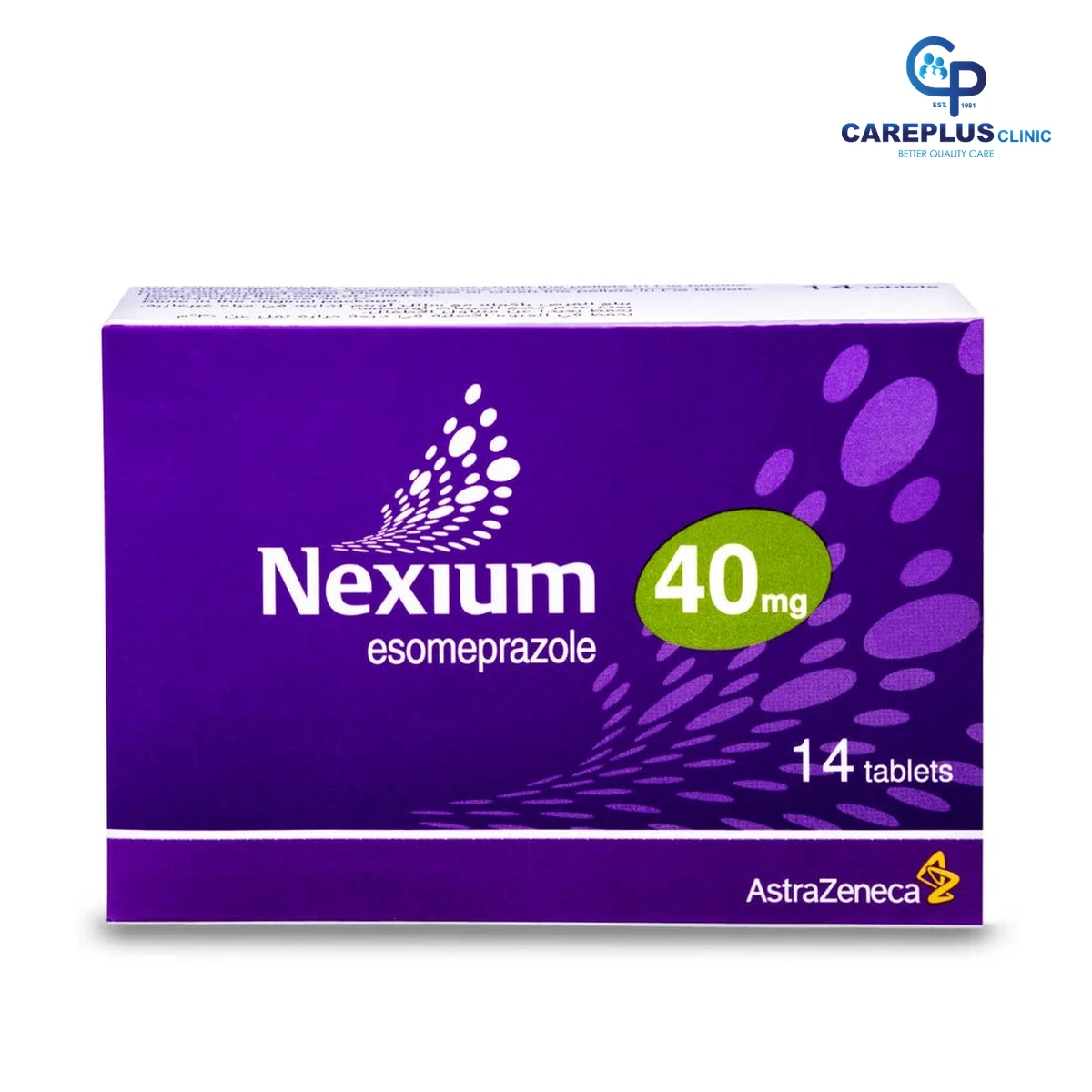
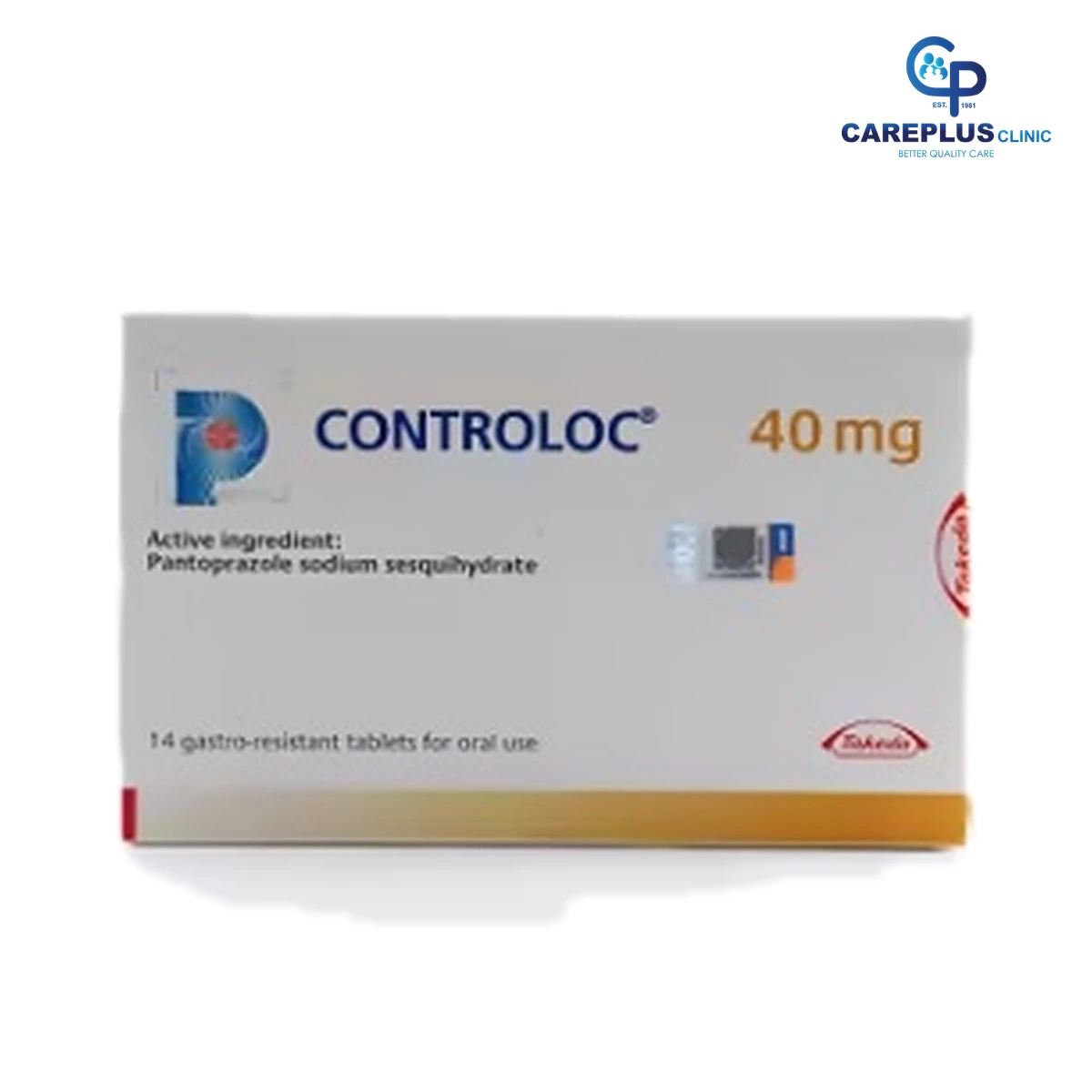
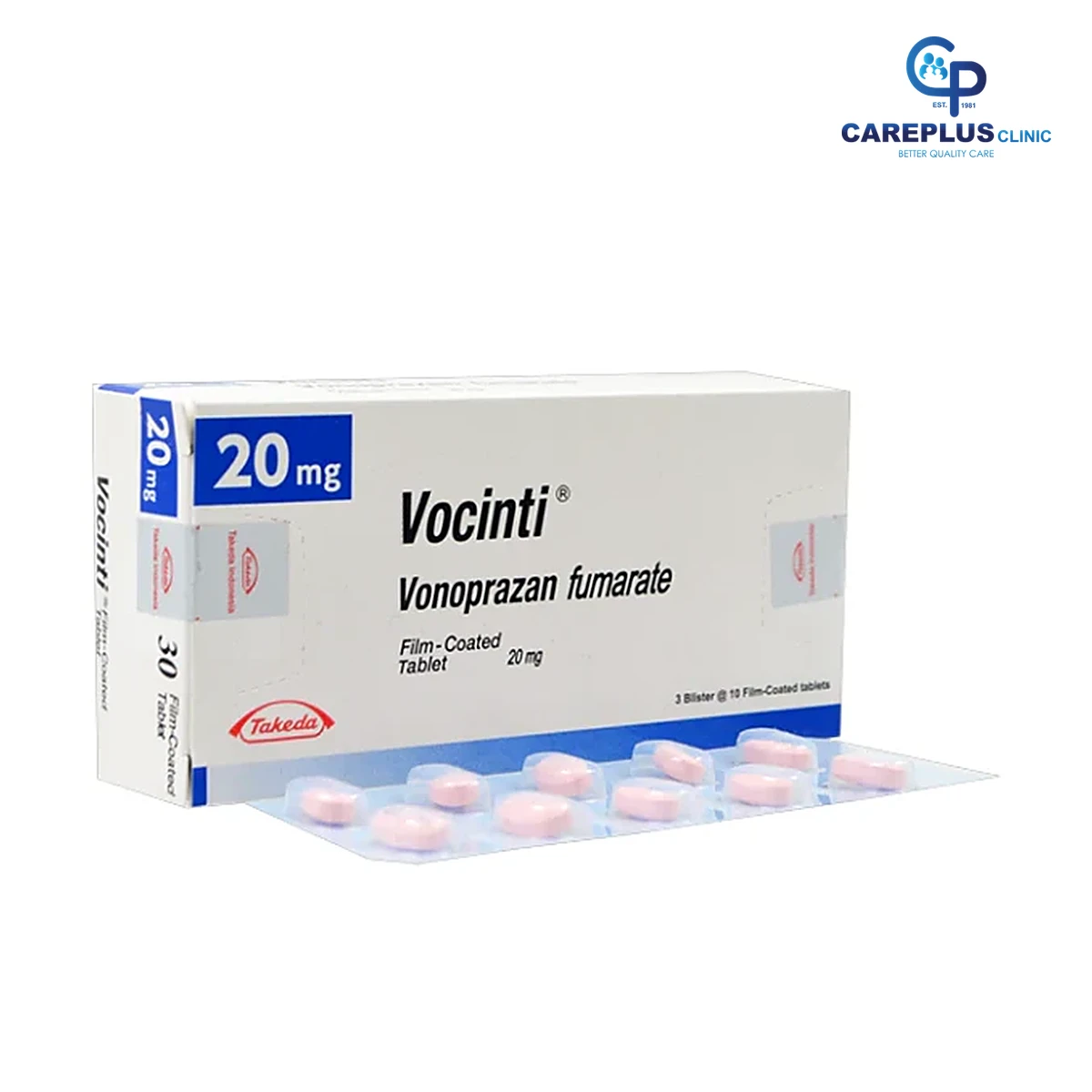
- Reduce acid so the ulcer can heal. Usually a proton pump inhibitor (PPI) such as esomeprazole or pantoprazole once a day for 4 to 8 weeks. Vonoprazan (Vocinti), a newer acid blocker, is another option.
- Treat H. pylori if it is found. See H. pylori treatment.
- Review painkillers. Stop NSAIDs if possible. If you must keep taking them, or need aspirin for your heart, your doctor may add long-term stomach protection.
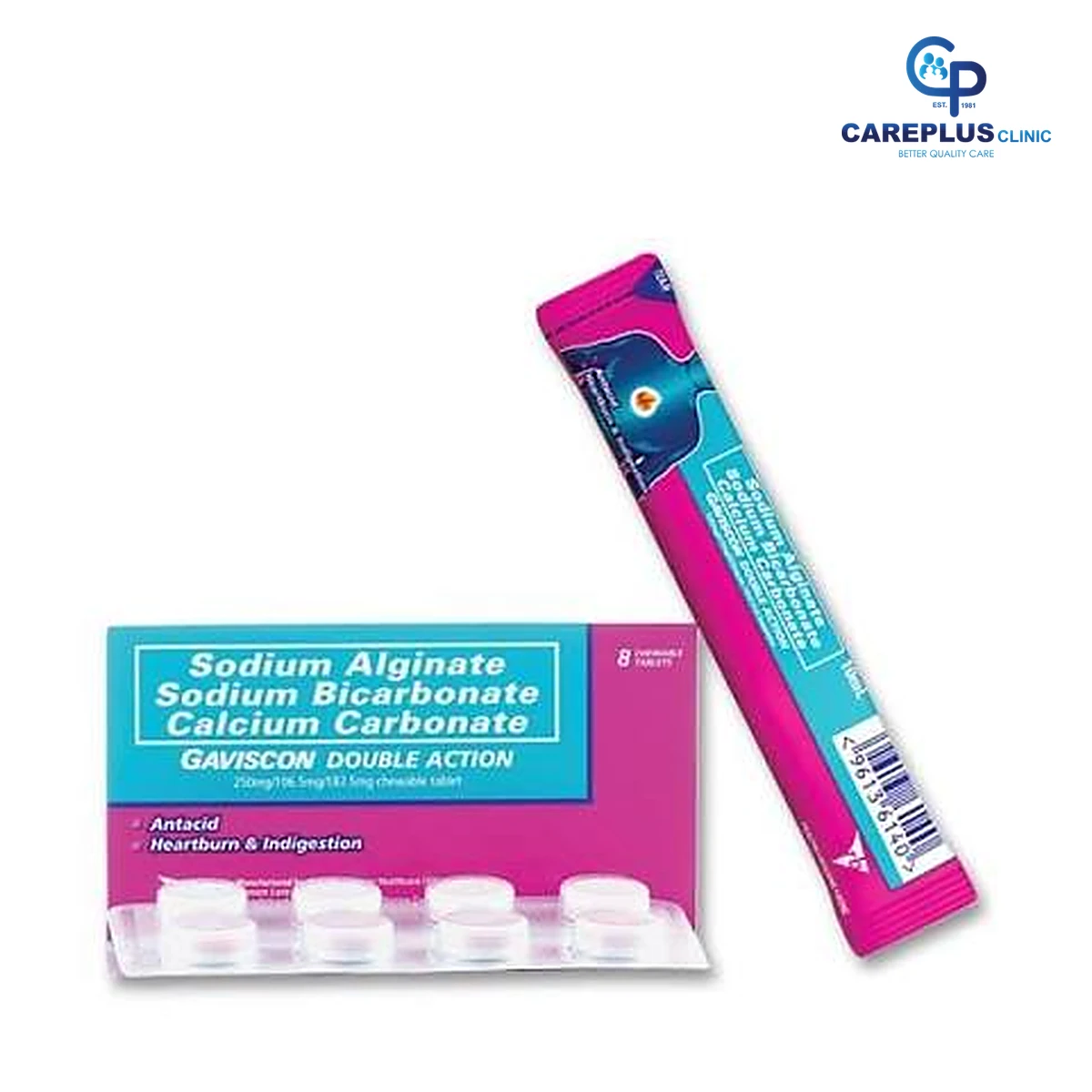
- For quick relief of burning between doses, an antacid or alginate such as Gaviscon can help, but it does not heal the ulcer.
Day to day
- Use paracetamol for pain instead of anti-inflammatory painkillers, unless your doctor says otherwise.
- Stop smoking and cut down on alcohol. Both slow healing.
- Eat regular meals and avoid foods that clearly trigger your pain.
- Finish the full course of medicine, and attend any follow-up scope.
Questions people ask
How long does a stomach ulcer take to heal?
Most heal within 4 to 8 weeks of acid-reducing treatment, once the cause is treated.
Can I still take painkillers?
Paracetamol is usually safe. Avoid anti-inflammatory painkillers unless your doctor advises them with stomach protection.
Will my ulcer come back?
It is much less likely once H. pylori is cleared and NSAIDs are stopped or covered with protection.
Sources
Get it from CarePlus Clinic
 15% OFF℞ Prescription
 18% OFF℞ Prescription
 13% OFF℞ Prescription
 13% OFF