
Mounjaro side effects: nausea, constipation, fatigue and what to do about them
The common side effects of Mounjaro (tirzepatide), why they happen, how long they last, practical tips that help, and the warning signs that need a doctor straight away.
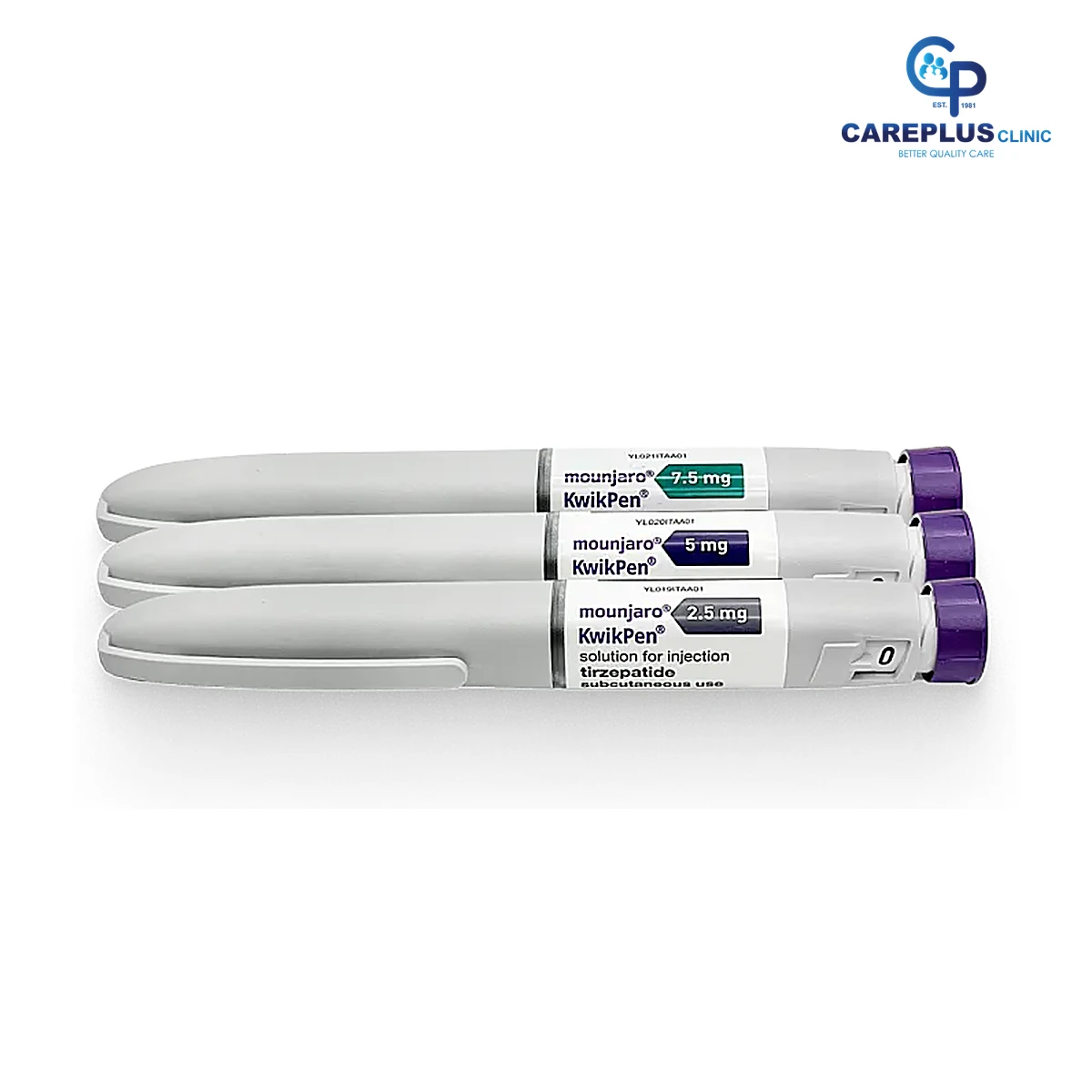
Most people who start Mounjaro (tirzepatide) notice some stomach side effects, especially in the first weeks and after each dose increase. They are usually mild and settle as your body adjusts. Knowing what is normal, and what is not, makes treatment much easier.
In short: nausea, fullness, diarrhoea, constipation and tiredness are common and usually ease within a few days of each dose. Eat smaller, slower meals, drink plenty of water and avoid greasy food. See a doctor urgently for severe tummy pain, repeated vomiting, signs of dehydration or yellow eyes.
Why Mounjaro causes side effects
Mounjaro slows down how fast food leaves your stomach and acts on the brain's appetite centre. That is how it helps you eat less, but it also explains the fullness, nausea and changes in bowel habit. These effects are strongest when the dose goes up, which is why the dose is increased slowly, every 4 weeks at the earliest.
Common side effects and what helps
| Side effect | What helps |
|---|---|
| Nausea, burping, feeling too full | Eat small portions slowly and stop at the first sign of fullness. Avoid fried, oily and very sweet food. Try plain crackers, ginger tea or cold food. Don't lie down straight after eating. |
| Constipation | Drink 2 to 3 litres of water a day, eat more vegetables, fruit, oats and wholegrains, and keep active. Ask our doctor about a gentle laxative if needed. |
| Diarrhoea | Drink plenty of fluids, including oral rehydration salts if it is frequent. Avoid rich and spicy food for a few days. |
| Vomiting | Sip fluids often. If you cannot keep fluids down for more than a day, contact a doctor. |
| Tiredness, dizziness | Usually from eating less. Don't skip meals entirely, include protein at every meal, and drink enough water. |
| Injection-site redness or itching | Change the injection spot each week; it usually fades within a day or two. |
How long do side effects last?
For most people, nausea and fullness are worst in the 1 to 3 days after each injection and become milder over 2 to 4 weeks on the same dose. They often return briefly after each dose increase. If side effects are hard to cope with, your doctor can keep you on the current dose for longer, or go back down a step. Getting the most out of Mounjaro is about the dose you can stay on comfortably, not the highest one.
Low blood sugar
Mounjaro on its own rarely causes low blood sugar. The risk is higher if you also take insulin or a sulfonylurea (such as gliclazide). Know the signs: shakiness, sweating, hunger, fast heartbeat and confusion. Take something sugary and tell your doctor, as your other diabetes medicines may need to be reduced.
Hair thinning and loose skin
Some people notice more hair shedding a few months after rapid weight loss. This is usually temporary telogen effluvium from the weight loss itself and recovers. Eating enough protein, iron and vitamins helps. See our hair loss treatment guide if it continues.
Serious side effects: see a doctor straight away
- severe, persistent tummy pain, sometimes spreading to the back, with or without vomiting (possible pancreatitis);
- pain in the upper right tummy, fever, or yellow skin or eyes (possible gallstones);
- vomiting or diarrhoea with very little urine, dizziness on standing or confusion (dehydration, which can affect the kidneys);
- a lump or swelling in the neck, trouble swallowing or a hoarse voice;
- swelling of the face, lips or throat, or difficulty breathing (allergic reaction).
Other things to know
- Contraception: Mounjaro can make the oral pill less reliable. Use condoms too for 4 weeks after starting and after each dose increase.
- Surgery or endoscopy: tell the doctor you are on Mounjaro, as you may be asked to stop it beforehand because food stays in the stomach longer.
- Alcohol: keep it light; it can worsen nausea and low blood sugar.
For a full overview of doses, results and safe supply, read Mounjaro in Malaysia: the complete guide.
8. Questions people ask
How long does Mounjaro nausea last?
It is usually worst 1 to 3 days after each injection and eases over 2 to 4 weeks on the same dose. It can come back briefly when the dose is increased.
Can I take something for Mounjaro nausea?
Small, slow, low-fat meals, ginger and staying hydrated help most people. If nausea stops you eating or drinking, ask our doctor, who may prescribe an anti-nausea medicine or adjust your dose.
Does Mounjaro cause constipation?
Yes, it is common because digestion slows down. Drink plenty of water, eat more fibre and stay active. A gentle laxative can help if needed; ask our doctor.
Should I stop Mounjaro if I have side effects?
Mild side effects usually settle without stopping. Talk to your doctor, who may keep you on the same dose for longer or reduce it. Stop and get urgent help for severe tummy pain, repeated vomiting or an allergic reaction.
Sources
Get it from CarePlus Clinic
More health guides
- Mounjaro (tirzepatide) in Malaysia: how it works, doses, results, side effects and getting it safely
- HPV positive? What your result means, what happens next, and where Papilocare fits
- Travel Sexual Health Kit: what to pack, PrEP and Doxy PEP explained, and carrying medicines abroad
- Doxy PEP in Malaysia: how doxycycline after sex helps prevent STIs