PrEP vs PEP: what’s the difference, and which one do you need?
PrEP is taken before possible exposure to HIV; PEP is an emergency 28-day course started within 72 hours after. How they differ, and what to do if you have just been exposed.
PrEP and PEP both use HIV medicines to stop HIV infection, but they are used at different times and in different ways.
Possibly exposed to HIV in the last 72 hours? You need PEP now, not PrEP. The sooner it starts the better, ideally within 24 hours. WhatsApp CAREPLUS Clinic on +60 11-2615 1500 or go to a hospital emergency department.
The difference at a glance
| PrEP | PEP | |
|---|---|---|
| Stands for | Pre-exposure prophylaxis | Post-exposure prophylaxis |
| When | Before possible exposure, ongoing | After an exposure, as an emergency |
| Start | Planned, after tests | As soon as possible, no later than 72 hours |
| How long | As long as you are at risk | 28 days |
| Medicines | 2 (emtricitabine + tenofovir) | Usually 3 |
PEP: emergency HIV medicine
PEP is for someone who may have been exposed to HIV, for example condomless sex with a partner whose HIV status is unknown or who isn’t on effective treatment, a condom that broke, sexual assault, or a needle-stick injury. The WHO recommends starting it as soon as possible, ideally within 24 hours and no later than 72 hours, and taking it for 28 days. After 72 hours, PEP is not recommended.
PrEP: protection before exposure
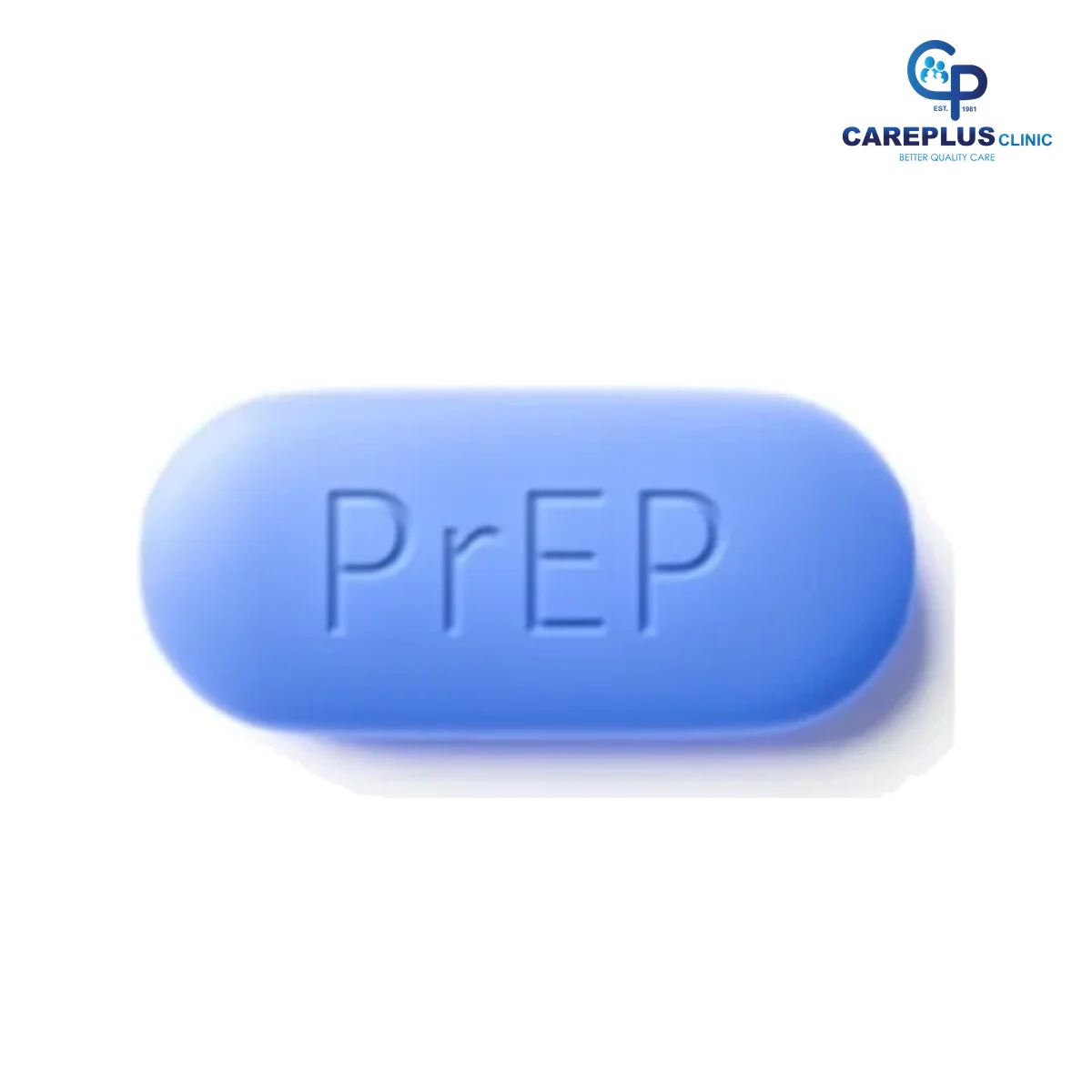
PrEP is for people who are HIV-negative and may be exposed in the future. Taken consistently, it lowers the risk of getting HIV from sex by about 99%. It is one tablet a day, or on-demand for some men (see daily vs on-demand PrEP).
Needed PEP more than once?
If you have needed PEP before, or expect to be at risk again, PrEP is usually a better plan. Malaysia’s PrEP guideline lists repeated PEP use as a reason to consider PrEP, and doctors can often move you straight from PEP onto PrEP once a final HIV test is negative.
Can PrEP be used as PEP?
No. PrEP is two medicines; PEP normally uses three, because an infection may already be starting. If you are on PrEP and missed several doses before an exposure, talk to a doctor quickly: you may need PEP.
Learn more in the guide to PrEP in Malaysia, or order PrEP online.
Questions people ask
How soon do I need to start PEP?
As soon as possible: ideally within 24 hours and no later than 72 hours after the possible exposure. It is taken for 28 days.
Can I take PrEP after unprotected sex instead of PEP?
No. PrEP is for protection before exposure. After a possible exposure you need PEP, which usually contains three medicines, started within 72 hours.
Should I start PrEP after finishing PEP?
If you are likely to be at risk again, yes, it is usually recommended. A doctor will check that you are HIV-negative and can often start PrEP straight after PEP.